
Health Check for Smokers: Which Tests Matter and How to Choose Them
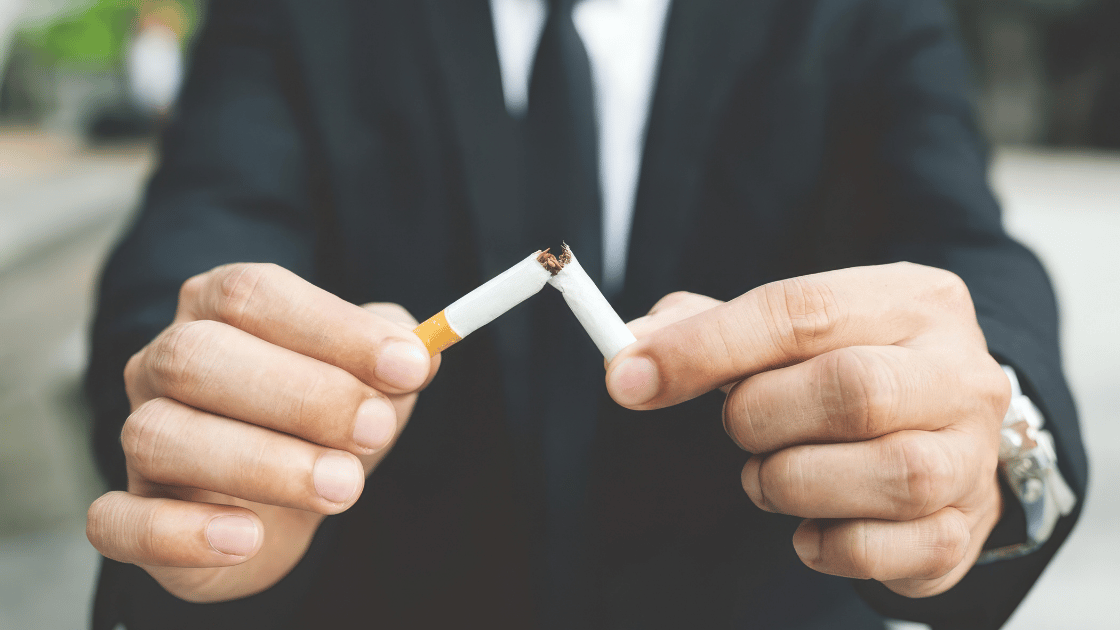
A health check for smokers needs a different focus from a standard annual check-up. Smoking affects the lungs first, but it also damages blood vessels, raises heart disease and stroke risk, and changes several blood markers. At HOP Medical Centre, many smokers tell us they “feel fine,” and that’s exactly the problem. Most smoking-related damage builds quietly for years before it causes symptoms.
✍ Written by: HOP Medical Centre Health Content Team 📅 Published: October 2026 | 🔄 Last Reviewed: October 2026
This guide covers which tests matter most for current and former smokers, what each one can and cannot detect, how to choose them within an executive health screening package, and what to do with the results.
Why a Health Check for Smokers Is Different
A basic check-up of blood pressure, cholesterol and blood sugar is useful, but it misses the organs smoking affects most. Airway damage doesn’t show up in a blood test, and narrowing arteries rarely cause symptoms until something goes wrong.
That’s why the most useful screening for smokers adds tests that look directly at lung function, heart rhythm and blood vessel health. Former smokers benefit too. Risk falls after quitting, but a baseline still matters, especially after many years of smoking.
Tests That Matter Most in a Health Check for Smokers
| Test | What it checks | Why it matters for smokers |
|---|---|---|
| Spirometry | How much air you can breathe out, and how fast | Picks up airflow obstruction such as early COPD, often before breathlessness is noticed |
| Chest X-ray | Lungs, heart size and chest structures | Shows visible changes in the lungs and heart; not designed to detect early lung cancer |
| Resting ECG | Heart rhythm and electrical activity | Smoking raises heart disease risk; ECG can flag rhythm problems and signs of strain |
| Lipid profile and CRP | Cholesterol balance and inflammation | Smoking lowers protective HDL and adds to artery damage |
| Oxygen saturation | Oxygen level in the blood | A quick check of how well the lungs are delivering oxygen |
| Carotid ultrasound or treadmill test | Neck arteries, or heart response to exercise | Useful for long-term smokers with other heart risk factors |
Lungs: Spirometry and Chest X-ray
Spirometry is the most important lung test in any health check for smokers, because it measures lung function directly. You breathe out as hard and fast as you can into a mouthpiece, and the result shows whether your airways are narrowed. It can pick up chronic obstructive pulmonary disease (COPD) at an early stage, when quitting makes the biggest difference. Our spirometry guide (https://hop.sg/spirometry-test-singapore/) explains the test in detail.
A chest X-ray complements spirometry by showing the structure of the lungs and heart. It’s important to know its limits, though. A chest X-ray isn’t a screening test for early lung cancer. For long-term heavy smokers, some international guidelines recommend a low-dose CT scan for that purpose. If this applies to you, ask the doctor at your consultation whether a referral makes sense.
If you vape rather than smoke, the same lung tests apply. Our article on vaping-associated lung disease (https://hop.sg/vaping-associated-lung-disease/) covers the specific risks.
Heart and Blood Vessels
Smoking damages the lining of blood vessels, raises blood pressure and speeds up the build-up of plaque in the arteries. This is why heart attacks and strokes are more common in smokers, often at younger ages.
A resting ECG checks heart rhythm and can show signs of strain. Blood tests add the lipid profile and C-reactive protein (CRP), a marker of inflammation. For smokers with other risk factors, such as high blood pressure, high cholesterol, diabetes or a family history of heart disease, a carotid ultrasound or treadmill stress test gives a fuller picture.
How to Choose These Tests in a HOP Package
To build a health check for smokers at HOP Medical Centre, start with an executive health screening package. Every package includes blood tests covering lipids, diabetes, liver and kidney function, a heart marker (CRP), oxygen saturation and a post-screening consultation with lifestyle counselling. You then choose a set number of clinical tests from a menu that includes spirometry, chest X-ray and resting ECG.
- Premium Economy ($499.22): choose 1 clinical test
- Business Class ($717.22): choose 2 clinical tests, plus 1 ultrasound or advanced test (carotid ultrasound and treadmill stress test are among the options)
- First Class ($1,177.20): choose 4 clinical tests, plus 2 advanced tests
- Suites Class ($1,722.20): choose 5 clinical tests, plus 3 advanced tests
All prices include GST. As an example, a smoker choosing Business Class could select spirometry and chest X-ray as the two clinical tests, then add a carotid ultrasound or treadmill test. The doctor can help you decide what fits your history.
💡 Preparing for Your Screening as a Smoker
🔹 Don’t smoke for at least 1 hour before spirometry
🔹 If you use an inhaler, call the clinic one day before to check whether to pause it
🔹 Follow the fasting instructions for your package; plain water is allowed
🔹 For an ECG, wear a two-piece outfit
🔹 Tell the doctor how long you’ve smoked and roughly how much
What to Do With Your Results
Normal results from a health check for smokers are reassuring, but they aren’t permission to keep smoking. Damage builds over time, and the best protection is still quitting. Abnormal results, such as reduced lung function or a rhythm change on ECG, are discussed at your consultation, with follow-up or specialist referral where needed.
If you’re ready to quit, you don’t have to do it alone. The Health Promotion Board’s I Quit Programme (https://www.healthhub.sg/programmes/iquit) offers structured support, and the QuitLine is 1800 438 2000. According to HealthHub, your risk of a smoking-related heart attack falls by half within a year of quitting.
Frequently Asked Questions About a Health Check for Smokers
1. What tests should a smoker include in a health check?
Spirometry for lung function, a chest X-ray, a resting ECG, and blood tests for cholesterol, blood sugar and inflammation. Long-term smokers with other heart risk factors may also benefit from a carotid ultrasound or treadmill stress test.
2. Can a chest X-ray detect lung cancer early?
A chest X-ray isn’t designed to screen for early lung cancer. For long-term heavy smokers, some guidelines recommend a low-dose CT scan instead. Ask the doctor whether a referral is appropriate for you.
3. Do I need to stop smoking before spirometry?
Yes. Don’t smoke for at least one hour before the test. If you use an inhaler, call the clinic a day before to check whether to pause it.
4. I quit smoking years ago. Do I still need these tests?
A baseline is still worthwhile, especially if you smoked for many years. Risk falls after quitting, but lung and heart checks help confirm where you stand.
5. Does vaping need the same tests?
The same lung tests apply. Spirometry and a chest X-ray can show how your lungs are coping, and the doctor will consider your vaping history alongside the results.
More Questions About Screening for Smokers
6. Which HOP package lets me choose spirometry?
All four executive packages, Premium Economy, Business Class, First Class and Suites Class, include spirometry as one of the clinical test options.
7. How much does an executive health screening cost at HOP Medical Centre?
Premium Economy is $499.22, Business Class is $717.22, First Class is $1,177.20 and Suites Class is $1,722.20, all including GST.
8. How often should smokers get screened?
Most smokers benefit from an annual check, especially from age 40 or after many years of smoking. The doctor may suggest a different interval based on your results.
9. Where can I get a health check as a smoker?
HOP Medical Centre offers executive health screening at Orchard (Palais Renaissance) and Tampines (CPF Building), with a post-screening consultation included.
Know Your Numbers, Then Make the Change
A health check for smokers gives you a clear picture of your lungs, heart and blood vessels. It doesn’t replace quitting, but it shows where you stand and gives you a reason to act. The sooner you check, the more options you have.