
Haze Health Singapore: How PSI Levels Affect Your Body and When to Get Checked
✍️ Written by: HOP Medical Centre Health Content Team
📅 Published: October 2026 | 🔄 Last Reviewed: October 2026
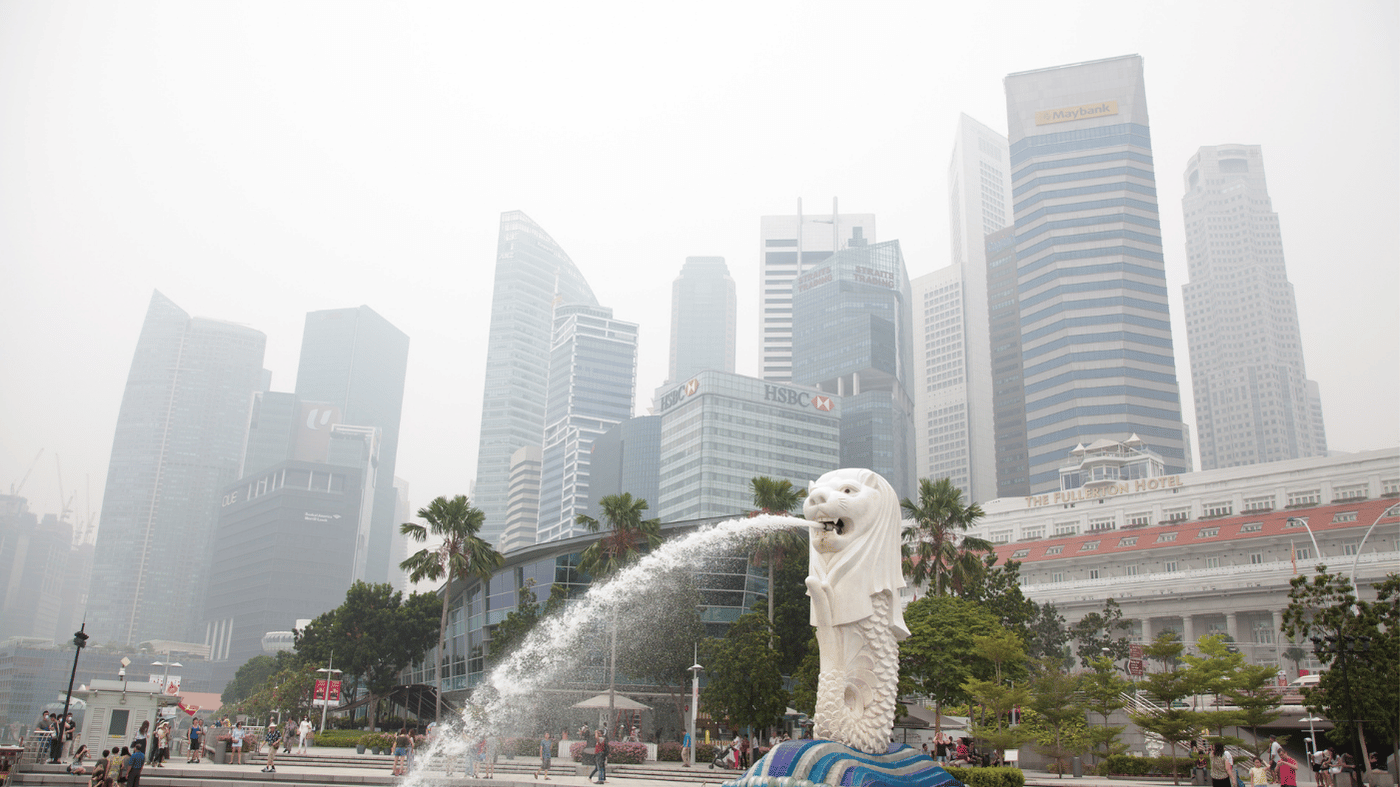
Haze health Singapore deserves more clinical attention than a brief advisory to stay indoors. In September 2026, the National Environment Agency (NEA) confirmed unhealthy PSI levels across all five Singapore regions. The Central region hit a 24-hour PSI of 166 on September 29. Fires in Kalimantan and Sumatra produced the smoke plumes that reached Singapore. Consequently, what PM2.5 actually does to the lungs, heart, and eyes — and when a clinical check is warranted — matters for every adult in Singapore right now.
What the PSI Scale Tells You About Haze Health Singapore
The Pollutant Standards Index (PSI) is Singapore’s primary daily air quality measure. NEA publishes it as the basis for daily health advisories. The 24-hour PSI guides activity planning. The 1-hour PM2.5 reading provides a more immediate picture for real-time outdoor decisions.
Under the PSI scale, air quality is unhealthy from 101 to 200, very unhealthy from 201 to 300, and hazardous above 300. According to NEA, the health impact of the haze depends on personal health status, PSI level, and the length and intensity of outdoor activity.
| 24-Hour PSI Range | Air Quality Category | NEA Advisory — Healthy Persons | NEA Advisory — Persons with Chronic Lung/Heart Disease |
|---|---|---|---|
| 0–100 | Good to Moderate | Normal activities | Normal activities |
| 101–200 | Unhealthy | Reduce prolonged or strenuous outdoor physical exertion | Avoid prolonged or strenuous outdoor physical exertion |
| 201–300 | Very Unhealthy | Minimise outdoor activity | Stay indoors and avoid outdoor activity |
| Above 300 | Hazardous | Avoid outdoor activity | Stay indoors — seek medical attention if symptoms develop |
Source: National Environment Agency Singapore (nea.gov.sg)
Singapore Haze Health Effects on the Lungs
The primary concern from PM2.5 exposure is particle penetration. These fine particles measure 2.5 micrometres or smaller. They are too small for the nose and throat to filter out. Consequently, they penetrate deep into the airways and lodge in lung tissue. For adults with healthy lungs, this triggers inflammation and irritation. For adults with asthma or COPD, transboundary haze directly aggravates existing airway disease. Symptoms worsen even at PSI levels in the Unhealthy range.
Furthermore, the respiratory effects of PM2.5 are not always immediately apparent. Repeated exposure during prolonged haze episodes contributes to cumulative airway inflammation. Adults who notice a more persistent cough, reduced exercise tolerance, or increased breathlessness since a haze episode may benefit from a spirometry test. Spirometry measures lung function objectively. It confirms whether air quality effects have produced a measurable change in airway capacity. At HOP Medical Centre, spirometry is a selectable clinical test in all four executive health screening package tiers.
Singapore Haze Health Effects on the Heart
The respiratory effects of Singapore’s annual haze are widely recognised. The cardiovascular effects, however, are less commonly understood. PM2.5 particles that penetrate deep into the lungs enter the bloodstream through the alveolar walls. They reach the heart and blood vessels directly. There, they trigger inflammatory responses, promote vessel narrowing, and elevate cardiovascular stress.
For adults with elevated blood pressure, high cholesterol, or existing cardiovascular disease, haze health Singapore risks additionally include increased cardiac event risk. Blood pressure measurement is a standard component of every HOP Medical Centre health screening package. It captures one dimension of the cardiovascular impact of PM2.5 exposure. Moreover, a resting ECG provides an objective cardiac baseline. Where the haze has contributed to cardiac stress, the ECG may reflect changes that warrant clinical attention.
Singapore Haze Health: Eye Effects You Should Not Ignore
Eye irritation is the most immediately noticeable symptom during a haze episode. PM2.5 particles settle on the eye surface and irritate the conjunctiva — producing redness, itching, tearing, and discomfort. For most adults, these symptoms resolve once air quality improves. Adults who wear contact lenses during high-PSI periods face additional corneal irritation risk.
Beyond surface irritation, sustained exposure to transboundary haze also affects the intraocular environment. Elevated systemic inflammation from PM2.5 can influence intraocular pressure in susceptible adults. Consequently, adults with existing glaucoma risk factors benefit from an eye pressure check after a prolonged haze episode. At HOP Medical Centre, tonometry and digital retinal imaging are both selectable clinical tests in every executive health screening package tier.
Who Is Most at Risk from Haze Health Singapore Effects?
⚠️ Higher-Risk Groups During the Haze — NEA Advisory
🔹 Persons with chronic lung or heart disease: NEA advises this group to avoid prolonged or strenuous outdoor exertion when PSI is Unhealthy (101–200)
🔹 Adults over 60: Reduced respiratory and cardiovascular reserve makes the haze health Singapore impact more significant
🔹 Adults with diabetes: PM2.5-induced systemic inflammation compounds existing vascular inflammation
🔹 Adults with asthma: Transboundary haze is a recognised asthma trigger — sustained high-PSI exposure destabilises previously well-controlled asthma
🔹 Pregnant people: NEA specifically lists this group in its Unhealthy PSI advisory — minimise prolonged or strenuous outdoor exertion
🔹 Children: Higher respiratory rates and developing systems increase vulnerability to PM2.5 exposure at equivalent PSI levels
When Haze Health Singapore Effects Warrant a Clinical Check
Not every haze episode requires a clinic visit. However, certain symptom patterns after sustained PM2.5 exposure are clinical signals worth acting on.
Respiratory symptoms that persist after the haze clears — a cough continuing more than two to three weeks, persistent breathlessness on exertion, or new wheezing — warrant lung function assessment. At HOP Medical Centre, spirometry measures FVC, FEV1, and the FEV1/FVC ratio. It identifies whether air quality effects have produced a measurable reduction in airway function.
Cardiovascular symptoms — chest tightness, unusual fatigue, palpitations, or elevated blood pressure during or after a haze episode — warrant cardiac assessment. A resting ECG and blood pressure check at HOP Medical Centre provide an objective baseline. Together, they help the physician determine whether PM2.5 cardiovascular effects need monitoring or management.
Haze Health Singapore: Eye Symptoms That Need Follow-Up
Persistent eye symptoms — redness, blurred vision, or eye pressure discomfort that does not resolve once air quality improves — warrant eye health assessment. Tonometry at HOP Medical Centre checks intraocular pressure. Digital retinal imaging provides a direct structural view of the retina and optic nerve. Both tests are selectable in every executive health screening package tier.
How HOP Medical Centre Addresses Haze Health Singapore Risks
View HOP Medical Centre’s Health Screening PackagesHOP Medical Centre’s executive health screening packages include several components directly relevant to haze health Singapore assessment. Every package tier includes blood pressure measurement, oxygen saturation, and a full laboratory panel. Spirometry, ECG, tonometry, and digital retinal imaging are all selectable across all four package tiers. Patients can include the specific assessments most relevant to their exposure history and personal health profile.
For adults wanting a comprehensive post-haze health check covering respiratory function, cardiac baseline, and eye pressure in a single appointment, the First Class or Suites Class tiers allow multiple clinical test selections.
The Health Promotion Board Singapore supports regular health monitoring for adults with conditions aggravated by the haze — including asthma, COPD, and cardiovascular disease.
Book Your Health Check at HOP Medical CentreFrequently Asked Questions: Haze Health Singapore
What does Singapore’s PSI scale measure and why does it matter for haze health Singapore?
Singapore’s PSI measures daily air quality and forms the basis of NEA’s daily health advisories. Air quality is unhealthy from 101 to 200, very unhealthy from 201 to 300, and hazardous above 300. According to NEA, the haze health Singapore impact depends on health status, PSI level, and the length and intensity of outdoor activity. Adults with chronic lung or heart disease face greater impact at equivalent PSI levels than healthy adults.
What is PM2.5 and why is it the main concern during the haze?
PM2.5 refers to fine particulate matter with a diameter of 2.5 micrometres or smaller. These particles bypass the nose and throat’s natural filtration. Consequently, they penetrate deep into the lungs. The finest particles enter the bloodstream through the alveolar walls. They reach the heart and blood vessels directly and trigger systemic inflammation. This is why transboundary haze affects not just the lungs but also the cardiovascular system and other organ systems.
Which adults face the highest haze health Singapore risk?
NEA identifies persons with chronic lung or heart disease, pregnant people, children, and adults over 60 as higher-risk groups during the haze. Additionally, adults with asthma, diabetes, or high blood pressure carry elevated risk from PM2.5 exposure. These conditions are directly aggravated by airway inflammation, vascular inflammation, and cardiovascular stress that the haze produces.
When should I seek a medical check for haze health Singapore effects?
Seek medical attention when symptoms persist after air quality improves. A cough lasting more than two to three weeks is a warning sign. So is breathlessness on exertion not present before the haze. Chest tightness, palpitations, or eye symptoms that do not resolve after PSI returns to normal also warrant clinical assessment. Adults with existing chronic conditions should follow up if symptom control deteriorated during the recent haze episode.
What Tests Address Haze Health Singapore Concerns at HOP Medical Centre?
What health tests address haze health Singapore concerns at HOP Medical Centre?
The most relevant tests are spirometry (lung function), ECG (cardiac baseline), blood pressure (standard in every package), tonometry (intraocular pressure), and digital retinal imaging (retinal and optic nerve health). All are selectable in every executive health screening package tier. Multiple tests can be combined in a single appointment — making HOP Medical Centre an efficient single-stop option for a post-haze health check.
Does wearing a mask protect against PM2.5 during the haze?
Surgical masks do not filter PM2.5 particles. N95 respirators, when properly fitted, filter at least 95% of airborne particles including PM2.5. Proper N95 fit requires a full seal against the face. Beards, incorrect sizing, or improper wearing significantly reduces effectiveness. Staying indoors with windows closed and using HEPA air purifiers are the most reliable protective measures for most adults during a haze episode.
More Questions About Haze Health in Singapore
Is there a connection between repeated haze exposure and long-term lung damage?
Repeated exposure to elevated PM2.5 during haze seasons contributes to cumulative airway inflammation. Research consistently associates long-term high PM2.5 exposure with accelerated lung function decline and increased COPD risk. Consequently, Singapore’s annual haze seasons make baseline spirometry testing clinically relevant as part of preventive health care. Tracking lung function year on year allows the physician to identify whether haze health Singapore effects are accumulating over time.
Can the haze affect blood pressure?
Yes — PM2.5 exposure is associated with short-term blood pressure elevation through systemic inflammatory and vascular effects. For adults with existing hypertension, Singapore’s transboundary haze can temporarily destabilise previously well-controlled blood pressure. Blood pressure measurement is a standard component of every HOP Medical Centre health screening package. Adults who noticed harder-to-control blood pressure during the recent haze episode benefit from establishing a current clinical baseline.
How does the haze affect children differently from adults?
Children breathe more rapidly relative to body size. Consequently, they inhale more PM2.5 per kilogram of body weight at equivalent PSI levels. Their developing respiratory and immune systems are also more vulnerable to the inflammatory effects of PM2.5 exposure. NEA’s advisory specifically lists children as a higher-risk group during Unhealthy PSI conditions. For children with asthma, Singapore’s haze is a significant trigger that warrants close monitoring and review of their inhaler management plan where appropriate.
Know What Haze Health Singapore Is Doing to Your Body
The same PSI reading produces meaningfully different health impacts depending on underlying health status, existing conditions, and outdoor exposure duration. Understanding how PM2.5 affects lungs, heart, and eyes — and knowing which symptoms after a haze episode warrant clinical attention — turns a public health advisory into a personally actionable piece of information.
At HOP Medical Centre, spirometry, ECG, blood pressure, tonometry, and digital retinal imaging are all available within the executive health screening framework — at Orchard and Tampines. A single appointment covers lung function, cardiac baseline, and eye pressure together.
Book your haze health check at HOP Medical Centre and know where your body stands after Singapore’s haze season.