
Kidney Health Screening Singapore: What to Test, When to Screen, and What Results Mean
✍️ Written by: HOP Medical Centre Health Content Team
📅 Published: July 2026 | 🔄 Last Reviewed: July 2026
Kidney screening in Singapore is one of the most clinically important components of any comprehensive annual health check — yet it is also one of the least understood. At HOP Medical Centre, patients regularly arrive for health screening without knowing that the kidneys produce no pain and send no early warning signals. Consequently, the first time many discover kidney damage is when it has already progressed significantly beyond the stage where intervention is most effective.
Singapore has one of the highest rates of kidney failure in the world. The country ranks among the top globally for the number of patients requiring dialysis per million population. Furthermore, the conditions that drive kidney disease — diabetes, hypertension, and obesity — are extremely prevalent in Singapore’s adult population. Together, these facts make kidney screening not simply a clinical recommendation but a genuine public health priority.
This guide covers what kidney screening in Singapore includes, which tests detect damage earliest, who needs regular monitoring, and how HOP Medical Centre structures kidney-focused programs for adults across all risk levels.
View Our Health Screening PackagesWhy Kidney Disease Is Caught Late — And What That Costs
The kidneys are remarkably resilient organs. They continue functioning near-normally even when significant damage has occurred. The organ has substantial reserve capacity — meaning a person can lose 50% or more of kidney function before standard blood tests flag an abnormal result.
Waiting for symptoms or waiting for routine creatinine levels to rise therefore means missing the window where intervention is most effective. Early kidney screening in Singapore does not simply give more time to act. It gives time to act when interventions available — medication adjustments, blood pressure control, dietary changes — can genuinely slow or halt progression rather than merely manage its consequences.
Why Kidney Problems Amplify Risk Throughout the Body
Poor kidney function raises cardiovascular risk substantially. It affects how the body metabolises medications. It worsens diabetes control and accelerates bone disease. Identifying and managing kidney disease early therefore delivers benefits well beyond the kidneys themselves.
Furthermore, kidney disease produces no symptoms in its early stages — no pain, no swelling, no obvious change in urine output. By the time symptoms appear, options narrow significantly. As a result, proactive kidney screening is clinically essential for adults with any meaningful kidney risk.
The Ministry of Health Singapore identifies chronic kidney disease as a national health priority and recommends regular kidney function monitoring for adults with diabetes, hypertension, and other risk factors — reinforcing why proactive screening is a clinical standard rather than an optional extra.
How the Kidneys Work and What Goes Wrong
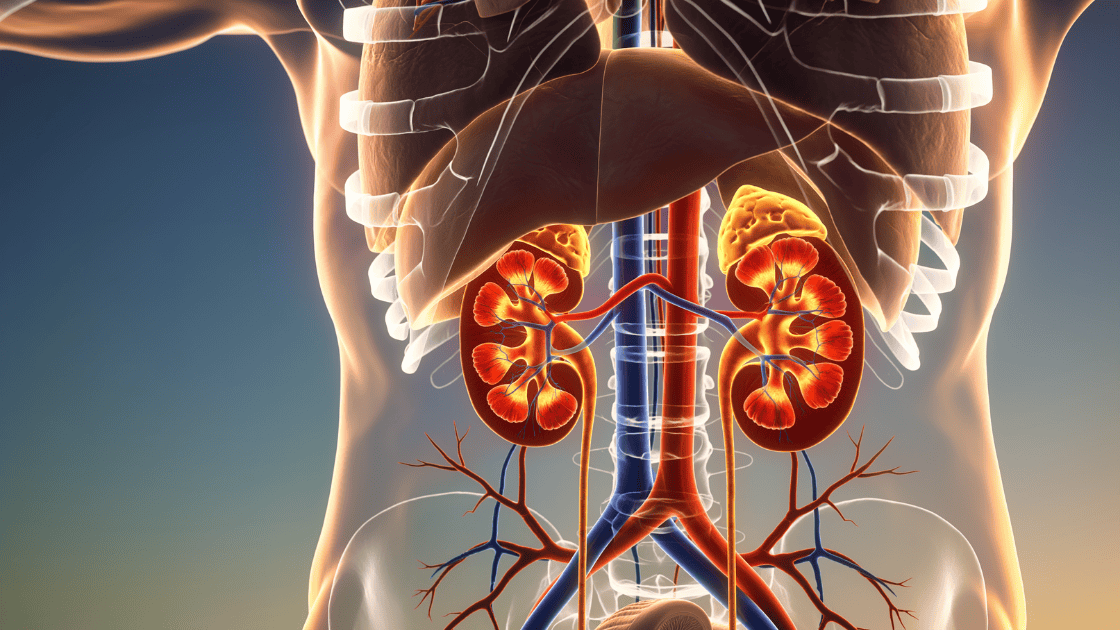
The kidneys filter approximately 180 litres of blood every day. They remove waste products, excess fluid, and metabolic byproducts while retaining essential proteins, electrolytes, and cells. Additionally, they regulate blood pressure, produce erythropoietin to stimulate red blood cell production, and activate Vitamin D for bone health.
When kidney tissue suffers damage — from persistently high blood glucose, sustained high blood pressure, inflammation, or medication toxicity — filtering capacity falls. Initially, the remaining healthy nephrons compensate by working harder. Consequently, the overall filtration rate appears near-normal despite significant underlying damage. This compensation phase is precisely the window where kidney screening in Singapore detects damage that standard tests miss.
As damage progresses beyond the compensation threshold, waste products accumulate in the blood. Fluid retention develops. Blood pressure rises further. Anaemia develops from reduced erythropoietin production. By this stage, kidney disease has progressed to a point that significantly limits treatment options.
What Kidney Screening in Singapore Includes
| Test | What It Measures | Clinical Value |
|---|---|---|
| Serum Creatinine | Waste product from muscle metabolism — rises when kidneys filter less efficiently | Included across all HOP packages — however, levels remain normal until approximately 50% of kidney function is already lost |
| eGFR (Estimated Glomerular Filtration Rate) | Calculated estimate of how much blood the kidneys filter per minute — derived from creatinine, age, and sex | Included across all HOP packages — the most widely used measure of overall kidney function, staging kidney disease from 1 to 5 |
| Serum Urea (BUN) | Nitrogen waste product from protein metabolism — rises with reduced kidney filtration | Included in kidney function panels — elevated urea with normal creatinine suggests dehydration rather than kidney disease |
| Urine Analysis (Dipstick) | Screens for protein, blood, glucose, nitrites, and pH in the urine | Included across all HOP packages — quick first-line screen for infection, gross protein leakage, and blood in the urine |
| Renal Ultrasound | Imaging of kidney size, structure, and blood flow | Available in Executive packages — detects structural abnormalities including cysts, stones, obstruction, and scarring not visible through blood or urine tests |
| Urine Albumin-to-Creatinine Ratio (uACR) | Detects albumin leaking into urine due to damaged kidney filters | Available as an add-on — the most sensitive early marker for kidney damage, detecting it years before creatinine or eGFR show any change |
| Uric Acid | Metabolic waste product — rises with kidney dysfunction and certain dietary patterns | Available in selected packages — elevated uric acid independently accelerates kidney damage and is a leading cause of gout in Singapore’s male population |
* Tests included vary by package. Contact HOP Medical Centre to confirm which kidney screening markers are covered in your chosen program.
The uACR: The Most Important Early Marker in Kidney Screening Singapore Patients Often Miss
The urine albumin-to-creatinine ratio is the single most valuable early marker in kidney screening — and the one most consistently absent from basic annual health checks in Singapore.
Healthy kidneys retain albumin in the bloodstream. When the kidney’s filtering membrane sustains damage, albumin passes into the urine. This leakage begins at a microscopic level — detectable through the uACR — years before creatinine levels rise or eGFR falls below normal.
For adults with diabetes or hypertension, annual uACR testing is a clinical standard. Both conditions damage kidney filtering membranes through different mechanisms. High blood glucose damages the membrane directly. High blood pressure damages the capillaries supplying it. Detecting microalbuminuria early in either condition opens a treatment window where SGLT2 inhibitors, ACE inhibitors, or ARBs can significantly slow progression toward kidney failure.
A single elevated uACR result, however, does not confirm kidney disease. Physical exercise, infection, fever, and dehydration all transiently elevate urinary albumin. Consequently, the clinical team at HOP Medical Centre confirms elevated results with a repeat test before drawing clinical conclusions.
Who Needs Regular Kidney Screening in Singapore?
🩺 Who Benefits Most From Regular Kidney Screening in Singapore
🔹 Diabetic patients: Diabetes is the leading cause of kidney failure in Singapore — annual uACR and eGFR are clinical standards for all diabetic adults
🔹 Hypertensive patients: High blood pressure is the second leading cause — sustained pressure damages kidney blood vessels over years
🔹 Adults over 60: Kidney function naturally declines with age — baseline and annual monitoring detects accelerated decline early
🔹 Patients on long-term medication: NSAIDs, certain antibiotics, contrast agents, and some supplements cause kidney damage with prolonged use
🔹 Overweight adults: Obesity independently elevates kidney disease risk through raised intraglomerular pressure
🔹 Family history of kidney disease: Genetic conditions including polycystic kidney disease and Alport syndrome run in families
🔹 Prior kidney stones: Recurrent stones cause structural kidney damage and increase long-term disease risk
Understanding Your Kidney Screening Results
Kidney screening results require clinical interpretation alongside the patient’s full health picture. An eGFR of 58 carries very different clinical meaning in a 72-year-old with no prior kidney history than in a 38-year-old with diabetes and rising blood pressure.
The eGFR stages kidney disease on a scale from 1 to 5. An eGFR above 90 with no other abnormal markers indicates normal kidney function. A result between 60 and 89 alongside elevated uACR places the patient at Stage 2. Moderate reduction — eGFR between 30 and 59 — represents Stage 3, where most patients still have no symptoms but cardiovascular risk rises significantly.
What Happens at Stage 4 and 5 Kidney Disease
Severe kidney disease — Stage 4 — requires close specialist care and preparation for potential renal replacement therapy. Kidney failure — Stage 5 — requires dialysis or transplantation. Consequently, most patients discovered through kidney screening in Singapore fall into Stage 1, 2, or 3 — stages where clinical intervention meaningfully slows progression.
Furthermore, elevated uric acid alongside kidney markers warrants specific attention. Uric acid independently causes kidney damage through crystal deposition and inflammation. It responds well to dietary modification and urate-lowering medication. The clinical team therefore addresses elevated uric acid as part of the overall kidney management plan rather than treating it separately.
How Kidney Screening Fits Into Your Annual Health Program
Kidney screening works best as part of a comprehensive annual health program rather than a standalone investigation. Blood pressure, blood glucose, lipid profile, and kidney markers interact clinically. Changes in one frequently drive changes in the others. Interpreting them together gives a far more complete picture of overall health than any single marker alone.
HOP Medical Centre includes kidney screening markers — creatinine, eGFR, urea, uric acid, and urine analysis — as standard components of every comprehensive package. The Executive Health Screening program additionally includes abdominal ultrasound, providing structural imaging of the kidneys alongside blood and urine markers.
Kidney Monitoring Alongside Diabetes and Weight Management
For patients with diabetes, HOP Medical Centre’s clinical team integrates kidney monitoring within the broader diabetes management picture — tracking uACR and eGFR trends alongside HbA1c, blood pressure, and lipid control. These interconnected markers inform a single coordinated clinical review rather than separate fragmented assessments.
Additionally, patients managing weight concerns benefit from understanding the kidney health implications of obesity. HOP Medical Centre’s weight management program incorporates kidney function monitoring as part of its metabolic assessment throughout the program.
The Health Promotion Board Singapore highlights chronic kidney disease prevention as a national health priority — reinforcing why annual kidney screening in Singapore is an essential component of preventive care for the adult population.
Book Your Kidney Screening at HOP Medical CentreFrequently Asked Questions: Kidney Screening Singapore
What does kidney screening in Singapore include?
Kidney screening in Singapore covers serum creatinine, eGFR, urine albumin-to-creatinine ratio (uACR), urine analysis, serum urea, electrolytes, and uric acid. Together, these markers assess both filtering efficiency and the earliest signs of kidney damage. Renal ultrasound adds structural imaging where clinically indicated. HOP Medical Centre includes core kidney markers in every comprehensive health screening package — with uACR added for patients with diabetes, hypertension, or other elevated risk factors.
What does eGFR mean in kidney screening results?
eGFR — estimated glomerular filtration rate — measures how efficiently the kidneys filter blood, expressed in millilitres per minute per 1.73m² of body surface area. A normal eGFR is above 90. Results between 60 and 89 suggest mildly reduced function warranting monitoring. Results below 60 on two separate tests indicate moderate to severe kidney disease requiring closer clinical attention. HOP Medical Centre’s clinical team interprets eGFR in the context of age, medical history, and trends over time.
How early can kidney disease be detected through kidney screening?
The uACR detects kidney damage at the microalbuminuria stage — years before creatinine levels rise or eGFR falls below normal. For diabetic and hypertensive patients, annual uACR testing identifies early kidney damage when medication changes can significantly slow progression. This early detection window is precisely why proactive kidney screening saves kidneys that reactive screening misses entirely.
Who should have annual kidney screening in Singapore?
Annual kidney screening suits all adults with diabetes, hypertension, obesity, or a family history of kidney disease. Adults over 60 benefit from annual monitoring as a baseline for tracking age-related decline. Patients on long-term medications known to affect kidney function — including NSAIDs, certain antibiotics, and some supplements — also benefit from regular testing regardless of age or other risk factors.
Can kidney disease be slowed if caught early through kidney screening?
Early-stage kidney disease cannot be fully reversed in most cases. However, progression can be substantially slowed — and in some cases halted — with appropriate intervention. For diabetic patients, SGLT2 inhibitors have strong evidence for reducing kidney disease progression. Blood pressure control through ACE inhibitors or ARBs reduces proteinuria and slows damage. Dietary modifications — reducing protein, sodium, and uric acid-raising foods — further support kidney health over time.
More Questions About Kidney Screening in Singapore
What lifestyle changes protect kidney health in Singapore?
Maintaining controlled blood pressure and blood glucose are the two most impactful lifestyle factors. Additionally, staying well hydrated, limiting NSAID use, reducing dietary sodium, moderating protein intake, avoiding smoking, and maintaining a healthy weight all contribute to protecting kidney function. For patients with elevated uric acid, limiting purine-rich foods — organ meats, shellfish, and alcohol — reduces both gout risk and kidney damage.
Does kidney screening require fasting?
Serum creatinine, eGFR, urea, electrolytes, and uric acid do not require fasting. Fasting blood glucose and lipid tests in the same comprehensive panel do require fasting. The uACR requires a urine sample — ideally the first morning void for maximum concentration and accuracy. HOP Medical Centre’s clinical team provides full preparation instructions at the time of booking.
How is uACR different from a basic urine test?
A basic urine dipstick screens for gross protein, blood, glucose, and infection markers. It is useful as a first-line tool but lacks sensitivity for early kidney damage. The uACR specifically quantifies albumin leakage at microscopic levels — detecting damage years before a dipstick shows abnormal protein. A complete kidney screening panel adds this sensitive marker alongside blood markers of filtration function.
Can kidney stones be detected through kidney screening?
Kidney stones are not reliably detected through blood or urine tests alone. Renal ultrasound — included in comprehensive screening packages at HOP Medical Centre — detects stones, structural abnormalities, obstruction, and scarring. Uric acid levels in blood provide additional context, since elevated uric acid drives uric acid kidney stones in Singapore’s population.
Protect Your Kidneys Before They Ask You To
Kidney screening in Singapore is one of the most valuable clinical investments an adult can make — precisely because the kidneys give no warning until damage is well advanced. By the time symptoms appear, options narrow significantly. By the time eGFR falls markedly, the window for the most effective interventions has often closed.
At HOP Medical Centre, kidney screening forms part of every comprehensive health program — interpreted alongside blood pressure, glucose, and metabolic markers to give a complete picture of kidney health. With clinic locations at Orchard (Palais Renaissance) and Tampines (CPF Building), home-based screening options for patients with limited mobility, and a clinical team experienced in identifying and managing early kidney disease, we make proactive kidney screening accessible and actionable.
Explore HOP Medical Centre’s health screening packages and make kidney screening a consistent part of your annual preventive care — while the window to protect your kidneys is still fully open.