
Female Hair Loss Treatment: Causes, Options, and What Actually Works
✍️ Written by: HOP Medical Centre Health Content Team
📅 Published: August 2026 | 🔄 Last Reviewed: August 2026
Female hair loss treatment is something many women search for quietly — after months of watching more hair collect in the shower drain than feels normal, or noticing the part in their hair has widened noticeably since the previous year. At HOP Medical Centre, hair loss in women is one of the most emotionally distressing conditions we encounter in clinical practice. It is also one of the most frequently under-investigated — because women are commonly reassured that some hair loss is normal without any attempt to identify whether a treatable cause exists.
The clinical reality is that significant hair thinning in women is almost always worth investigating. Hormonal conditions, nutritional deficiencies, thyroid disorders, autoimmune conditions, and stress-related shedding are all common causes — and all respond to specific female hair loss treatment once a doctor identifies them. Consequently, the most important first step is not choosing between treatment products. It is understanding why the hair is falling out in the first place.
This guide covers the most common causes of hair loss in women, which treatments have genuine clinical support, and what to expect from a female hair loss consultation at HOP Medical Centre.
Book Your Hair Loss Consultation at HOP Medical CentreWhy Female Hair Loss Is Different From Male Hair Loss
The clinical picture of hair loss in women differs from men in several important ways — and understanding these differences is essential for choosing the right investigative and treatment approach.
Male pattern baldness follows a predictable pattern — receding temples, thinning crown, progressive frontal recession. It is driven primarily by DHT sensitivity. The cause is usually genetic and the treatment options are relatively well-defined.
Female hair loss, by contrast, is far more diverse in both pattern and cause. Female pattern hair loss — androgenetic alopecia in women — presents as diffuse thinning across the crown and central parting rather than the dramatic recession seen in men. The frontal hairline typically remains intact. Furthermore, the range of additional causes contributing to hair loss in women is significantly broader than in men — making a thorough clinical assessment more critical before any treatment is selected.
Additionally, the emotional impact of hair loss tends to be more significant in women. Hair is closely tied to identity, self-confidence, and social perception in ways that make thinning and shedding particularly distressing — even when the clinical severity is mild. This emotional dimension means that prompt, accurate diagnosis and effective treatment delivery matter as much as the treatment itself.
Common Causes of Hair Loss in Women
| Cause | Pattern of Hair Loss | Key Features |
|---|---|---|
| Female Pattern Hair Loss (FPHL) | Diffuse thinning at crown and central parting — frontal hairline preserved | Gradual onset — driven by genetic androgen sensitivity; worsens with age and hormonal change |
| Telogen Effluvium | Diffuse shedding across the whole scalp | Often begins 2–3 months after a triggering event — childbirth, illness, crash diet, major surgery, or severe stress |
| Iron Deficiency | Diffuse thinning and increased shedding | Ferritin can be low enough to cause significant hair loss even without anaemia — often seen in women with heavy periods |
| Thyroid Disorder | Diffuse thinning — both hypo and hyperthyroidism cause hair loss | Often accompanied by fatigue, weight changes, and mood shifts — easily confused with perimenopausal symptoms |
| PCOS and Androgen Excess | Thinning at crown — similar pattern to FPHL but with additional hormonal symptoms | Elevated androgens drive hair follicle miniaturisation — often alongside acne, irregular cycles, and facial hair |
| Perimenopausal and Postmenopausal Hair Loss | Diffuse thinning — accelerates with oestrogen decline | Oestrogen decline shifts the hormonal balance toward greater androgenic activity — hair follicles become more sensitive to DHT |
| Alopecia Areata | Patchy, well-defined circular areas of hair loss | Autoimmune condition — the immune system attacks hair follicles; can affect any hair-bearing area |
| Traction Alopecia | Hair loss at the hairline and temples | Caused by chronic tension from tight hairstyles — braids, ponytails, extensions; reversible if caught early |
The Role of Iron in Female Hair Loss
Iron deficiency is the most commonly overlooked cause of hair loss in women — and the one most frequently missed when only haemoglobin is tested rather than ferritin.
The hair follicle is among the most metabolically active structures in the body. It requires a consistent supply of iron to sustain the growth phase of the hair cycle. When iron stores fall — even before haemoglobin drops low enough to produce clinical anaemia — hair follicles are among the first structures affected. Consequently, a woman can have normal haemoglobin and still experience significant hair shedding driven by low ferritin.
Women with heavy perimenopausal periods are particularly vulnerable. Blood loss accelerates iron depletion at exactly the same life stage when hormonal changes are already stressing hair follicles from another direction. The result is often significant and distressing diffuse shedding that responds well to iron supplementation — but only once a doctor confirms the deficiency through proper ferritin testing rather than haemoglobin alone.
At HOP Medical Centre, every female hair loss assessment includes both haemoglobin and ferritin measurement. This distinction matters clinically and produces different treatment recommendations for a meaningful proportion of patients.
Hormonal Causes: PCOS, Perimenopause, and Thyroid Disorder
Three hormonal conditions deserve specific attention in any assessment of female hair loss. Each is common. Each produces diffuse thinning. Each is identifiable through blood tests — and each responds to targeted hormonal treatment rather than topical hair products.
PCOS — polycystic ovary syndrome — is one of the most common hormonal conditions in women of reproductive age. Elevated androgens drive hair follicle miniaturisation in genetically susceptible women — producing thinning at the crown and central parting alongside other androgenic features such as acne and irregular cycles. Anti-androgen medications — specifically spironolactone — reduce androgenic activity at the follicle level. This approach addresses the cause rather than simply masking the symptom.
Perimenopausal hair loss accelerates as oestrogen declines. Oestrogen prolongs the hair growth phase. As levels fall, follicles spend less time in active growth and more time in the resting and shedding phases. Additionally, the relative increase in androgenic activity that accompanies oestrogen decline makes genetically susceptible follicles more sensitive to DHT.
Thyroid disorder — both underactive and overactive — causes diffuse hair thinning through different mechanisms. Hypothyroidism slows the metabolic rate of hair follicles. Hyperthyroidism accelerates the hair cycle, pushing more follicles into the shedding phase simultaneously. Both conditions are straightforward to identify with a TSH blood test — and effective treatment of the thyroid condition typically restores hair growth over three to six months.
Telogen Effluvium: Stress, Illness, and Postpartum Hair Loss
Telogen effluvium is the most common cause of sudden diffuse hair shedding in women. It occurs when a significant physical or emotional stressor shifts large numbers of hair follicles simultaneously from the growth phase into the resting phase. Shedding begins approximately two to three months after the triggering event — long enough that many women fail to connect the shedding to its cause.
Common triggers include childbirth — the most frequent trigger in clinical practice — major surgery, significant illness including COVID-19, severe psychological stress, crash dieting or significant caloric restriction, and rapid weight loss. The shedding can be alarming in volume. Handfuls of hair during washing, visible thinning at the temples, and significant reduction in ponytail thickness are all typical presentations.
Telogen effluvium is self-limiting in most cases. Once the triggering stressor resolves and any nutritional deficiencies are corrected, the hair cycle returns to normal over three to six months. However, chronic stress — which is increasingly common in demanding working environments — can perpetuate the condition indefinitely. Furthermore, when telogen effluvium occurs in a woman who also has underlying female pattern hair loss, the combined effect can appear far more severe than either condition alone would produce.
When Telogen Effluvium Becomes Chronic
Chronic telogen effluvium — shedding that persists beyond six months — warrants a full clinical assessment. In many cases, an ongoing trigger remains unresolved. In others, an underlying condition such as iron deficiency or thyroid disorder sustains the shedding beyond what stress alone would produce. Identifying this distinction changes the treatment approach significantly. Consequently, a clinical review at HOP Medical Centre is worthwhile whenever diffuse shedding persists without clear resolution after several months.
Female Hair Loss Treatment Options at HOP Medical Centre
Once the clinical assessment identifies the cause, the treatment plan matches it precisely. No single approach suits every patient — which is why assessment must precede recommendation at HOP Medical Centre.
💊 Female Hair Loss Treatment Options at HOP Medical Centre
🔹 Minoxidil (topical or oral low-dose): Most widely used treatment for female pattern hair loss — extends the growth phase and increases follicle size; results take 3–6 months
🔹 Spironolactone: Anti-androgen medication for women with PCOS or androgen excess — reduces androgenic activity at the follicle level; also improves acne and facial hair
🔹 Iron supplementation: Targets iron-deficiency-related shedding — restores hair growth over 3–6 months once deficiency is confirmed through ferritin testing
🔹 Thyroid treatment: Addresses thyroid-related hair loss at the source — effective treatment of hypothyroidism or hyperthyroidism typically restores hair growth over months
🔹 Nutritional correction: Vitamin D, zinc, and biotin supplementation where deficiency is confirmed — not effective without prior blood test confirmation of deficiency
🔹 PRP (Platelet-Rich Plasma): Injectable treatment using the patient’s own blood growth factors — growing evidence for androgenetic alopecia and alopecia areata; suits patients wanting a procedural option
Minoxidil for Women: What to Know
Minoxidil is the most widely available and most clinically supported topical treatment for female pattern hair loss. It works by extending the hair growth phase and increasing the size of miniaturised follicles — producing thicker, longer hairs and reducing overall shedding over time.
Two concentrations are available for women — 2% and 5%. Both are effective. The 5% formulation produces faster results in many patients but carries a slightly higher risk of unwanted facial hair growth. Oral low-dose minoxidil is an alternative for women who find topical application inconvenient or who experience scalp irritation from the topical form.
What to Know Before Starting Minoxidil
An initial shedding phase is common in the first two to eight weeks of use — this reflects follicles transitioning to a new growth cycle and does not indicate treatment failure. Visible results typically take three to six months to become apparent. Stopping treatment earlier is one of the most common reasons women conclude that minoxidil does not work. Continued use is also required to maintain results — stopping minoxidil leads to gradual return of the pre-treatment pattern within months.
What to Expect From a Female Hair Loss Assessment at HOP Medical Centre
A female hair loss consultation at HOP Medical Centre starts with a detailed clinical history — covering onset, pattern, triggering events, menstrual history, recent hormonal changes, current medications, and family hair loss history. This context shapes which blood tests are most clinically relevant.
Blood tests in a standard female hair loss panel include full blood count, ferritin and iron studies, thyroid function (TSH, FT3, FT4), hormonal panel (LH, FSH, oestradiol, testosterone, DHEA-S, prolactin where indicated), Vitamin D, zinc, and fasting glucose. The specific markers included depend on the clinical picture — the team does not apply a fixed panel to every patient regardless of presentation.
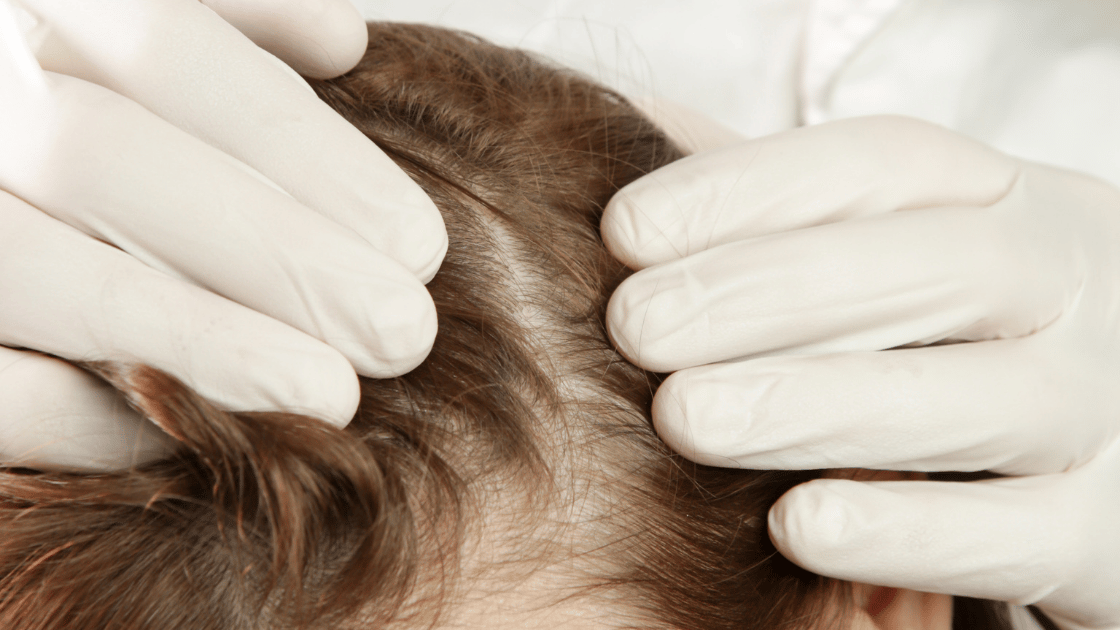
A scalp examination follows. The clinical team assesses the pattern of thinning, the density of remaining hair, scalp health, and any features suggesting alopecia areata or traction alopecia. This examination — combined with the blood test results — produces a specific, personalised treatment plan rather than a generic product recommendation.
All consultations take place in private rooms at both Orchard (Palais Renaissance) and Tampines (CPF Building) clinic locations.
Book Your Female Hair Loss Assessment at HOP Medical CentreFrequently Asked Questions: Female Hair Loss Treatment
What causes hair loss in women?
The most common causes include female pattern hair loss — genetic androgen sensitivity — telogen effluvium from stress or illness, iron deficiency, thyroid disorders, PCOS and androgen excess, perimenopausal hormonal change, alopecia areata, and medication side effects. Each cause produces a distinct pattern and responds to different female hair loss treatment. Identifying the specific cause through clinical assessment and blood tests is the essential first step — before any treatment is recommended.
What is the best treatment for female hair loss?
The best treatment depends entirely on the underlying cause. Minoxidil is the most evidence-based option for female pattern hair loss. Spironolactone suits women with PCOS or androgen excess. Iron supplementation restores hair growth in iron-deficient patients. Thyroid treatment resolves thyroid-related shedding. At HOP Medical Centre, female hair loss treatment recommendations follow the clinical assessment rather than preceding it.
How long does female hair loss treatment take to work?
Most treatments require three to six months before visible results appear. Minoxidil typically produces initial shedding in the first few weeks — a normal transition phase — before new growth becomes visible. Iron supplementation and thyroid treatment produce improvement over three to six months as the underlying deficiency or disorder resolves. Patience and consistency are therefore essential for any female hair loss treatment program to produce meaningful results.
Can stress cause hair loss in women?
Yes. Telogen effluvium — stress-related hair shedding — is extremely common. Significant physical or emotional stress shifts large numbers of follicles into the resting phase simultaneously. Shedding typically begins two to three months after the triggering event. The condition usually resolves once the stress trigger clears and nutritional support is in place. However, chronic ongoing stress can perpetuate it indefinitely — making clinical assessment worthwhile when shedding persists beyond six months.
Does menopause cause hair loss in women?
Yes. Oestrogen decline during perimenopause and menopause accelerates hair thinning in many women. Oestrogen prolongs the hair growth phase — as levels fall, follicles spend more time in the resting and shedding phases. Additionally, the relative increase in androgenic activity that accompanies oestrogen decline makes genetically susceptible follicles more sensitive to DHT. Women noticing significant hair thinning in their 40s and 50s often have this hormonal pattern as a contributing driver.
More Questions About Female Hair Loss Treatment
Does minoxidil work for women?
Yes. Minoxidil has strong clinical evidence for female pattern hair loss in both topical and oral low-dose forms. Results require consistent use over at least three to six months before they become visible. Stopping treatment leads to gradual loss of the hair gained — making it a long-term commitment rather than a short course. HOP Medical Centre’s clinical team advises on the appropriate concentration and formulation based on each patient’s hair loss pattern and skin tolerance.
Can iron deficiency cause hair loss even without anaemia?
Yes — and this is one of the most clinically important points in female hair loss assessment. Ferritin — stored iron — can fall low enough to impair hair growth before haemoglobin drops into the anaemia range. Consequently, testing ferritin alongside haemoglobin is essential in any female hair loss blood panel. HOP Medical Centre includes both markers as standard — not haemoglobin alone.
What is PRP therapy for hair loss and is it effective?
PRP — platelet-rich plasma — therapy uses a concentration of the patient’s own blood growth factors, which a doctor injects into the scalp to stimulate follicle activity. Growing clinical evidence supports PRP for androgenetic alopecia and alopecia areata in women. It suits patients who want a procedural option alongside or instead of topical or oral medication. Results typically emerge over three to six months following an initial course of sessions.
Is female hair loss treatment available at both HOP Medical Centre locations?
Yes. Female hair loss consultations and treatment are available at both Orchard (Palais Renaissance) and Tampines (CPF Building). Direct booking without referral is accepted at both locations. All consultations take place in private rooms with full confidentiality. The clinical team takes time to explain the cause of hair loss clearly and set realistic treatment expectations before recommending any specific approach.
Finding the Cause Is the Treatment
Female hair loss treatment works when it targets the right cause. Minoxidil applied to an iron-deficient scalp produces limited results. Spironolactone prescribed without confirming androgen excess provides no benefit. Iron supplementation without a confirmed ferritin deficiency achieves nothing. Consequently, the most important clinical step is not choosing between products — it is identifying, through a proper assessment, why the hair is actually falling out.
At HOP Medical Centre, every female hair loss consultation begins with that question. Blood tests identify systemic causes. Scalp examination guides local assessment. The treatment plan that follows matches the specific cause — not a generic protocol applied to every woman who presents with thinning hair.
With clinic locations at Orchard (Palais Renaissance) and Tampines (CPF Building), direct booking without referral, and a clinical team that approaches female hair loss treatment with the medical rigour it deserves, HOP Medical Centre makes effective, cause-targeted treatment genuinely accessible.
Explore HOP Medical Centre’s hair loss treatment service and take the first step toward understanding what is actually driving your hair loss — and what will actually address it.