
Kidney Health Screening Singapore: The Silent Disease Affecting 1 in 4 Singaporeans by 2035
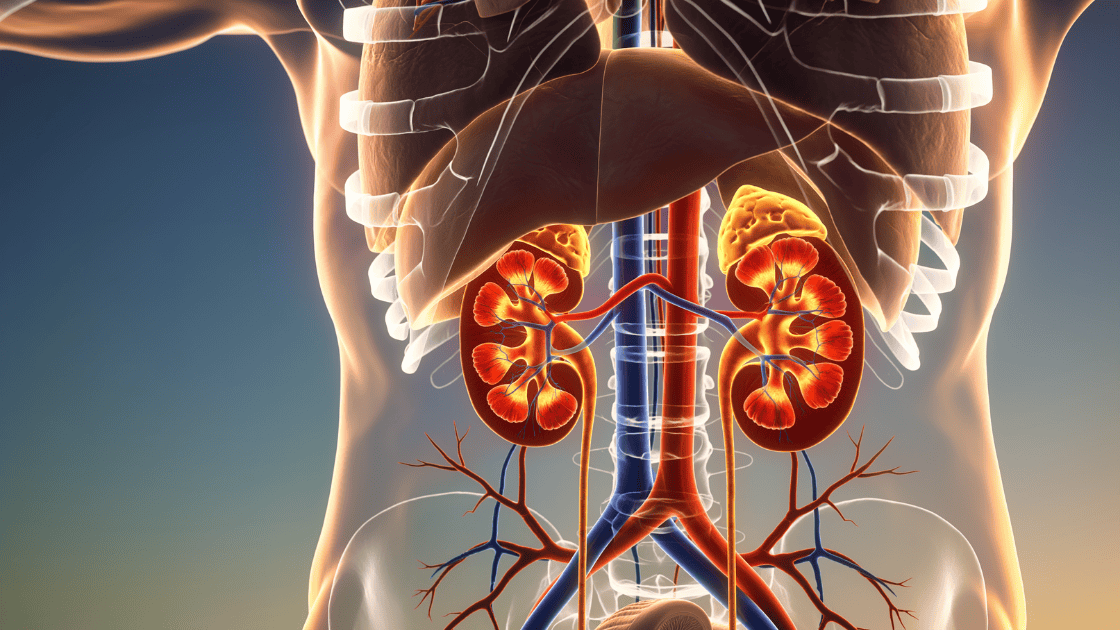
Here’s a statistic that should make you pause: more than 500,000 Singaporeans currently suffer from chronic kidney disease (CKD), and most don’t even know it. Yet kidney disease is the body’s silent assassin—causing no symptoms until significant, often irreversible damage has occurred.
According to Singapore’s National Population Health Survey 2022, chronic kidney disease prevalence jumped from 8.8% in 2019-2020 to 13.8% in 2021-2022. That’s nearly 1 in 7 Singapore residents. Even more alarming? Projections indicate that by 2035, approximately 24.3%—almost 1 in 4 Singaporeans—will have chronic kidney disease.
Singapore also holds an unfortunate global distinction: we have the highest rate of kidney failure caused by diabetes in the world. Meanwhile, $300 million is spent annually on dialysis treatment, and the number of people progressing to kidney failure has increased by 40% over the past decade.
The good news? Kidney health screening Singapore medical centers like HOP Medical Centre offer can detect kidney disease years before symptoms appear—potentially delaying the need for dialysis by 10 years or more. Therefore, understanding what these screenings involve and when you need them could literally save your kidneys and transform your quality of life.
Book Your Kidney Health Screening at HOPThe Silent Nature of Kidney Disease: Why Kidney Health Screening Matters
Chronic kidney disease earns its reputation as a “silent killer” because most people in stages 1 and 2—when intervention is most effective—experience absolutely no symptoms. Your kidneys can lose up to 90% of their function before you notice any problems.
This is particularly dangerous in Singapore, where 64.6% of new dialysis patients in 2022 had diabetic nephropathy (diabetes-related kidney damage). Consequently, many Singaporeans discover their kidney disease only when they’re already approaching kidney failure.
According to research on chronic kidney disease in Singapore, approximately 200,000 Singaporeans may be completely unaware they have chronic kidney disease. This means that for every person diagnosed, there’s potentially another walking around with damaged kidneys who doesn’t know it yet.
Kidney health screening Singapore clinics provide acts as your early warning system, identifying problems when they’re still treatable. Regular screening can detect:
- Declining kidney function before symptoms appear
- Protein in urine (microalbuminuria)—an early sign of kidney damage
- Elevated creatinine levels indicating reduced filtration capacity
- Electrolyte imbalances that kidneys normally regulate
- Diabetes and hypertension—the leading causes of kidney failure in Singapore
By detecting these issues early, healthcare providers can implement interventions—whether lifestyle modifications, blood pressure/diabetes control, or specific kidney-protective medications—that can slow or even halt kidney disease progression. At HOP Medical Centre, our comprehensive kidney health screening packages are specifically designed to catch these silent threats when treatment can still make a profound difference.
Understanding Your Kidney Disease Risk Factors
Not everyone faces the same kidney disease risk. Several factors, both modifiable and non-modifiable, influence whether you should prioritize kidney health screening Singapore medical centers offer.
Non-Modifiable Risk Factors
Age: Kidney function naturally declines with age. People over 60 face significantly higher CKD risk, with projections showing Singapore’s aging population will drive CKD prevalence to nearly 25% by 2035.
Ethnicity: Research shows striking ethnic differences in kidney disease rates among Singaporeans. Among dialysis patients in 2022, Malays had the highest rate at 459 per million population, compared with 183 per million for Indians and 150 per million for Chinese Singaporeans. This means Malay Singaporeans face more than three times the dialysis risk compared to Chinese Singaporeans.
Family History: If close relatives (parents or siblings) developed kidney disease, your risk increases substantially. Genetic factors play a role in both CKD susceptibility and progression rates.
Gender: Men face higher kidney failure risk. Among patients starting dialysis in 2022, three in five were men, according to Singapore’s renal registry data.
Modifiable Risk Factors
Diabetes: This is the number one cause of kidney failure in Singapore. Among CKD patients, those with diabetes face a 42.3% CKD prevalence compared to just 10% in non-diabetics, according to the National Population Health Survey 2022. Moreover, 64.6% of new dialysis patients in 2022 had diabetic kidney disease. Singapore’s status as having the world’s highest rate of diabetes-related kidney failure makes diabetes screening and management absolutely critical.
High Blood Pressure (Hypertension): The second leading cause of kidney failure in Singapore. One in four Singaporean adults has hypertension, and uncontrolled blood pressure damages the tiny blood vessels in kidneys over time. Furthermore, CKD prevalence is 24.2% among those with hypertension—more than double the general population rate.
Pre-diabetes: Even pre-diabetes significantly increases kidney disease risk. Research shows that 21.8% of people with pre-diabetes already have chronic kidney disease, according to Singapore health surveys.
Cardiovascular Disease: Heart disease and kidney disease share common risk factors and often occur together. If you have cardiovascular disease, your kidneys are likely under stress too.
Obesity: Excess weight strains kidneys through multiple mechanisms—increasing blood pressure, promoting diabetes, and directly damaging kidney structures through inflammation.
Smoking: Smokers face accelerated kidney function decline. Smoking damages blood vessels throughout the body, including those supplying kidneys.
High Sodium Intake: Singaporeans consume more than double the WHO recommended sodium intake. Excess sodium raises blood pressure and forces kidneys to work harder, accelerating damage over time.
Certain Medications: Long-term use of NSAIDs (non-steroidal anti-inflammatory drugs like ibuprofen), some antibiotics, and certain other medications can damage kidneys.
If you have multiple risk factors, your need for kidney health screening Singapore medical facilities provide becomes increasingly urgent. HOP Medical Centre offers tailored screening packages designed to assess your specific risk profile, from our Express Health Screening for time-conscious professionals to comprehensive Executive Health Screening packages that include detailed kidney function assessment.
Explore HOP’s Executive Health Screening PackagesKidney Health Screening Tests at HOP Medical Centre
At HOP Medical Centre, we provide comprehensive kidney function screening through our in-house diagnostic capabilities. Understanding these tests helps you know what to expect during your kidney health screening Singapore visit.
Serum Creatinine Test
This blood test measures creatinine, a waste product from muscle metabolism that your kidneys should filter out. Elevated creatinine levels indicate your kidneys aren’t filtering waste effectively.
Normal creatinine levels vary by gender and muscle mass:
- Men: 0.74 to 1.35 mg/dL
- Women: 0.59 to 1.04 mg/dL
However, serum creatinine alone doesn’t tell the whole story. Someone with more muscle mass may have higher creatinine levels even with healthy kidneys, which is why doctors use creatinine to calculate eGFR.
Estimated Glomerular Filtration Rate (eGFR)
The eGFR is the single most important indicator of kidney function. It estimates how much blood your kidneys filter each minute, adjusted for your body size, age, gender, and ethnicity.
eGFR categories and what they mean:
- 90 or higher: Normal kidney function
- 60-89: Mild loss of kidney function (early CKD stage 2)
- 45-59: Mild to moderate loss (CKD stage 3a)
- 30-44: Moderate to severe loss (CKD stage 3b)
- 15-29: Severe loss (CKD stage 4)
- Below 15: Kidney failure (CKD stage 5)—dialysis or transplant needed
According to kidney disease guidelines, an eGFR below 60 that persists for three months or more indicates chronic kidney disease. The eGFR test takes just minutes as part of routine blood work and provides immediately actionable information about your kidney health.
Blood Urea Nitrogen (BUN)
BUN measures another waste product—urea nitrogen—that healthy kidneys should remove from your blood. Elevated BUN levels can indicate kidney problems, though BUN can also be affected by diet, dehydration, and certain medications.
Normal BUN ranges from 7 to 20 mg/dL. Significantly elevated BUN combined with high creatinine strongly suggests reduced kidney function.
Electrolyte Panel
Your kidneys regulate critical electrolytes including:
- Sodium: Affects fluid balance and blood pressure
- Potassium: Essential for heart rhythm and muscle function
- Chloride: Helps maintain proper pH balance
- Bicarbonate: Indicates acid-base balance
Abnormal electrolyte levels can indicate kidney dysfunction and also pose immediate health risks, particularly for potassium imbalances that affect heart rhythm.
Urine Albumin-Creatinine Ratio (uACR)
This urine test is perhaps the most sensitive early indicator of kidney damage. Albumin is a protein that should stay in your bloodstream. When kidneys are damaged, albumin “leaks” into urine—a condition called albuminuria or proteinuria.
uACR test results:
- Less than 30 mg/g: Normal
- 30-300 mg/g: Moderately increased albuminuria (early kidney damage)
- Above 300 mg/g: Severely increased albuminuria (significant kidney damage)
The beauty of the uACR test is that it can detect kidney damage even when eGFR is still normal (above 60). This early detection is crucial because intervention at this stage can prevent progression to more severe kidney disease.
At HOP Medical Centre, urine testing is quick and non-invasive, requiring just a small urine sample.
Complete Urinalysis
Beyond measuring albumin, a complete urinalysis checks for:
- Blood in urine: May indicate kidney damage, stones, or infection
- Glucose in urine: Can signal diabetes or kidney tubule problems
- White blood cells: May indicate urinary tract infection
- pH and specific gravity: Assess kidney concentration ability
- Casts and crystals: May indicate specific kidney disorders
Additional Tests When Needed
For patients with more complex kidney issues or specific risk factors, HOP can coordinate additional testing:
- Ultrasound imaging: Evaluates kidney size, structure, and identifies blockages or cysts
- Parathyroid hormone (iPTH): Often elevated in CKD as kidneys lose ability to activate vitamin D
- Calcium and phosphate levels: Become imbalanced in kidney disease
- Hemoglobin: Anemia is common in CKD as kidneys produce less erythropoietin
Doctor Consultation Included
Importantly, all HOP health screening packages include a comprehensive doctor consultation at no additional charge. During this consultation, your doctor will:
- Review all kidney function test results in detail
- Explain what the findings mean for your kidney health
- Calculate your stage of kidney disease if present
- Identify modifiable risk factors you can address
- Recommend lifestyle modifications or medications if needed
- Determine whether specialist nephrology referral is necessary
If your screening reveals findings requiring further investigation, your HOP doctor will provide appropriate referrals to kidney specialists who can perform more advanced diagnostic procedures.
Who Needs Kidney Health Screening Singapore?
While kidney screening benefits everyone eventually, certain groups should prioritize getting screened sooner and more frequently.
You Should Get Kidney Health Screening If You:
Have diabetes: With 64.6% of new dialysis patients having diabetic kidney disease, all diabetic patients should undergo regular kidney screening. Singapore’s high diabetes rates make this particularly critical.
Have high blood pressure: Hypertension is the second leading cause of kidney failure in Singapore. Regular kidney monitoring is essential for all hypertensive patients.
Have pre-diabetes: With 21.8% of pre-diabetic Singaporeans already having CKD, screening at the pre-diabetes stage enables earlier intervention.
Are aged 60 or above: Kidney function naturally declines with age, and older adults face substantially higher CKD risk.
Are of Malay ethnicity: With dialysis rates more than three times higher than Chinese Singaporeans, Malay individuals should consider earlier and more frequent screening.
Have cardiovascular disease: Heart disease and kidney disease commonly occur together. If you have heart problems, your kidneys need monitoring.
Have a family history of kidney disease: Genetic factors increase your risk. If close relatives developed kidney disease, start screening earlier.
Are overweight or obese: Excess weight increases diabetes and hypertension risk while directly stressing kidney structures.
Smoke: Smoking accelerates kidney function decline and should prompt regular kidney health screening.
Take certain medications regularly: Long-term NSAID use, some antibiotics, and various other medications can damage kidneys. Regular monitoring is prudent.
Experience any urinary symptoms: Changes in urination frequency, foamy urine, blood in urine, or persistent swelling warrant immediate kidney screening.
Work in high-stress environments: Companies increasingly recognize kidney disease prevention’s importance. HOP Medical Centre’s Corporate Health Screening programs bring comprehensive kidney assessments directly to your workplace.
How Often Should You Get Kidney Health Screening?
Screening frequency depends on your individual risk profile:
- Low risk (no risk factors, under age 40): Consider baseline screening, then every 3-5 years
- Moderate risk (one major risk factor like pre-diabetes): Every 1-2 years
- High risk (diabetes, hypertension, or multiple risk factors): Annually
- Known CKD: Every 3-6 months depending on stage and treatment response
According to Singapore’s kidney disease management guidelines, individuals with diabetes or hypertension should have kidney function tested at least annually, with more frequent monitoring if abnormalities are detected.
What to Expect at HOP Medical Centre
Understanding HOP’s screening process helps you prepare for your visit and know what to expect.
Before Your Screening
Preparing for your appointment:
- Fasting: Most basic kidney function tests don’t require fasting. However, if your package includes certain comprehensive tests, an 8-hour fast may be recommended (plain water permitted). Check with HOP when booking.
- Medication list: Bring information about current medications, particularly NSAIDs, blood pressure medications, and diabetes medications
- Hydration: Stay normally hydrated before your appointment (don’t over-hydrate or under-hydrate)
- Medical history: Be prepared to discuss symptoms, family history of kidney disease, and lifestyle factors
- Location: Choose between our convenient Orchard (Palais Renaissance) or Tampines (CPF Building) locations
During Your Screening at HOP
Comprehensive kidney health screening at HOP Medical Centre typically takes 30 minutes to 2 hours, depending on your selected package.
The HOP screening process:
- Streamlined check-in: Quick registration at our modern facilities with minimal waiting time
- Medical history review: A healthcare coordinator discusses your health background, risk factors, and kidney disease concerns
- Vital signs assessment: Blood pressure, pulse, weight, height, and BMI measurements
- Urine sample collection: Simple, private collection for urinalysis and albumin testing
- Blood sample collection: Our skilled phlebotomists (some with over 20,000 procedures performed) ensure a comfortable experience with a >99% first-stick success rate. Blood tests measure creatinine, eGFR, BUN, electrolytes, and other kidney function markers.
- Additional tests if included: Depending on your package, may include ultrasound imaging, comprehensive metabolic panel, or other specialized tests
All testing is completed at our one-stop facilities equipped with in-house diagnostic capabilities, eliminating the need for multiple appointments at different locations.
After Your Screening
HOP’s results delivery and follow-up:
- Fast results: Comprehensive reports delivered within one week (3 working days for express packages)
- Doctor consultation included: Every screening package includes a thorough consultation at no additional charge
- Clear results explanation: Easy-to-understand reports with normal ranges clearly marked
- Personalized recommendations: Specific guidance based on your individual findings
- Follow-up support: Specialized helpline for consultations after receiving your report
- Specialist referrals if needed: Coordination with nephrologists if further evaluation is recommended
During your consultation, your HOP doctor will:
- Review all kidney function test results in detail
- Explain what the findings mean for your kidney health
- Identify your CKD stage if applicable
- Calculate your kidney disease progression risk
- Recommend lifestyle modifications to protect kidney function
- Discuss whether medications are appropriate
- Determine if nephrology specialist referral or additional testing is necessary
Understanding Your Kidney Health Screening Results
Interpreting kidney health screening Singapore results requires medical expertise, but understanding the basics helps you engage meaningfully with your healthcare provider.
eGFR (Kidney Filtration Rate)
CKD Stages based on eGFR:
- Stage 1 (eGFR 90+): Normal kidney function but other signs of kidney damage present (like protein in urine)
- Stage 2 (eGFR 60-89): Mildly decreased kidney function
- Stage 3a (eGFR 45-59): Mild to moderately decreased function
- Stage 3b (eGFR 30-44): Moderately to severely decreased function
- Stage 4 (eGFR 15-29): Severely decreased function
- Stage 5 (eGFR below 15): Kidney failure—dialysis or transplant needed
Remember that eGFR naturally declines with age. What’s considered normal for a 30-year-old differs from a 70-year-old.
Urine Albumin-Creatinine Ratio (uACR)
Albuminuria categories:
- A1 (uACR less than 30 mg/g): Normal to mildly increased
- A2 (uACR 30-300 mg/g): Moderately increased (kidney damage present)
- A3 (uACR above 300 mg/g): Severely increased (significant kidney damage)
The combination of eGFR and uACR determines your kidney disease risk and treatment approach. For example, someone with eGFR of 50 and uACR of 100 faces much higher progression risk than someone with eGFR of 50 and uACR of 15.
Creatinine Levels
Normal ranges vary by gender and muscle mass:
- Men: 0.74 to 1.35 mg/dL
- Women: 0.59 to 1.04 mg/dL
Elevated creatinine suggests reduced kidney function, but your doctor interprets this alongside eGFR for accurate assessment.
Blood Urea Nitrogen (BUN)
- Normal: 7 to 20 mg/dL
- Elevated: May indicate kidney dysfunction, dehydration, or high protein intake
The BUN/creatinine ratio helps doctors distinguish kidney problems from other causes of elevated BUN.
Electrolytes
Your doctor monitors potassium particularly carefully in CKD:
- Normal potassium: 3.5 to 5.0 mEq/L
- High potassium (hyperkalemia): Dangerous in kidney disease, can cause fatal heart rhythm problems
Sodium, chloride, and bicarbonate abnormalities help doctors assess kidney function and acid-base balance.
Abnormal results don’t automatically mean you have severe kidney disease or need dialysis. Many kidney function abnormalities are manageable with lifestyle changes and medications, especially when detected early through kidney health screening Singapore medical facilities like HOP Medical Centre provide. Our included doctor consultation ensures you fully understand your results and receive personalized guidance for your kidney health journey.
Taking Action Based on Your Results
Kidney health screening only benefits you if you act on the results. Depending on what your HOP screening reveals, action steps may include:
Lifestyle Modifications
For early CKD or elevated risk:
- Blood pressure control: Target below 130/80 mmHg—absolutely critical for kidney protection
- Blood sugar control: For diabetics, HbA1c below 7% significantly reduces kidney damage progression
- Dietary changes: Reduce sodium intake (Singapore consumes double WHO recommendations), limit protein if advised, increase fruits and vegetables
- Weight management: Even modest weight loss improves diabetes control and blood pressure
- Smoking cessation: Quitting smoking immediately reduces kidney disease progression risk
- Hydration: Maintain adequate hydration (about 2 liters daily unless doctor advises otherwise)
- Exercise: Regular physical activity improves blood pressure, blood sugar, and weight—all kidney-protective
Medical Management
For confirmed CKD or high-risk patients:
- Blood pressure medications: ACE inhibitors or ARBs specifically protect kidneys in addition to lowering blood pressure
- Diabetes medications: SGLT2 inhibitors (like empagliflozin) have shown remarkable kidney-protective effects
- Cholesterol-lowering drugs: Statins reduce cardiovascular risk in CKD patients
- Phosphate binders: For advanced CKD to prevent bone disease
- Anemia treatment: Erythropoietin supplementation if kidneys aren’t producing enough
- Medication adjustments: Many drugs require dose reduction in CKD to prevent toxicity
Your HOP doctor will discuss appropriate treatment options during your consultation and can prescribe medications or provide referrals as needed.
Specialist Referrals
If screening reveals concerning findings:
Your HOP doctor may refer you to nephrology specialists for further evaluation. Depending on your results, additional procedures might include:
- Kidney ultrasound or CT scan: Detailed kidney structure imaging
- Kidney biopsy: If the cause of kidney disease is unclear
- Specialized kidney function tests: More detailed assessment of specific kidney functions
- Dialysis evaluation: For advanced CKD approaching kidney failure
HOP’s experienced medical team will coordinate appropriate referrals and ensure continuity of care throughout your kidney health journey.
Monitoring and Follow-Up
For all CKD patients:
- Regular kidney function monitoring: Every 3-6 months depending on CKD stage
- Cardiovascular risk assessment: CKD significantly increases heart disease risk
- Bone health monitoring: CKD disrupts calcium/phosphate balance
- Nutrition counseling: Specialized kidney-friendly diets can slow progression
- Medication review: Avoiding kidney-toxic drugs and adjusting doses appropriately
Early detection and consistent management can delay progression to kidney failure by 10 years or more, according to Singapore kidney disease studies.
Why Choose HOP Medical Centre for Kidney Health Screening Singapore
At HOP Medical Centre, we understand that kidney health screening represents an investment in your future quality of life. With over 20 years of specialized expertise serving Singapore, we’ve conducted more than 800,000 health screenings and helped 45,000+ patients annually maintain optimal kidney health.
Our comprehensive kidney health screening includes:
Complete In-House Diagnostic Capabilities
- Blood testing: Serum creatinine, eGFR, BUN, comprehensive electrolyte panel
- Urine testing: Albumin-creatinine ratio, complete urinalysis
- Additional markers: Glucose, HbA1c, lipid panel, complete blood count
- Blood pressure monitoring: Accurate vital signs measurement critical for kidney health
- Imaging when needed: Coordination with our in-house ultrasound services
Expert Medical Team
- Experienced phlebotomists: Some with over 20,000 procedures performed, achieving >99% first-stick success rate
- Skilled medical professionals: Trained in kidney disease risk assessment and management
- Doctor consultation included: Every screening includes personalized review of results at no additional charge
Efficient, Streamlined Process
- Fast screening: Most kidney health assessments completed in 30 minutes to 1 hour
- Rapid results: Comprehensive reports delivered within 3-7 working days
- Minimal waiting time: Efficient scheduling and dedicated facilities
- One-stop convenience: All testing completed at a single location
Convenient Locations
- Orchard (Palais Renaissance): 390 Orchard Road, #11-03/04, Singapore 238871
- Tampines (CPF Building): 1 Tampines Central 5, #07-04/05, Singapore 529508
Post-Screening Support
- Comprehensive consultation: Detailed explanation of kidney function results and CKD staging
- Specialized helpline: Available for questions after receiving your report
- Follow-up coordination: Specialist referrals if nephrology evaluation is needed
- Treatment guidance: Clear recommendations for lifestyle modifications or medical management
Flexible Screening Options
- Non-fasting packages available: Most kidney tests don’t require fasting, making screening more convenient
- Corporate wellness programs: Mobile screening units for workplace health assessments
- Executive packages: Comprehensive screening tailored for busy professionals
- Express options: Quick 30-minute packages for time-conscious individuals
Whether you’re seeking preventive screening or need kidney function assessment due to diabetes, hypertension, or other risk factors, HOP provides the comprehensive kidney evaluation necessary to protect your kidney health through our proven track record of serving over 500 corporate clients annually.
Schedule Your Kidney Health Screening at HOPThe Bottom Line: Your Kidneys Deserve Attention Now
Chronic kidney disease affects more than half a million Singaporeans, with projections indicating 1 in 4 residents will have CKD by 2035. Moreover, with Singapore ranking 3rd globally for treated end-stage kidney disease and holding the unfortunate distinction of having the world’s highest rate of diabetes-related kidney failure, the time to prioritize your kidney health is now—not later, not “when I have symptoms,” but today.
Kidney health screening Singapore medical centers like HOP Medical Centre offer provides the early detection necessary to prevent kidney failure and preserve your quality of life. These screenings identify problems you cannot feel—silent damage that’s occurring while you feel perfectly healthy.
Remember: kidney disease caused 40% more people to start dialysis over the past decade. Many of these cases could have been prevented or delayed through early detection and intervention. Regular kidney health screening gives you the information needed to take control of your kidney health before irreversible damage occurs.
Don’t wait for symptoms like swelling, fatigue, or changes in urination to finally pay attention to your kidneys. By then, you may have already lost 50-90% of kidney function. Schedule your kidney health screening Singapore at HOP Medical Centre today, and give yourself the gift of early detection and prevention.
Frequently Asked Questions About Kidney Health Screening
How much does kidney health screening cost at HOP Medical Centre?
Kidney health screening costs at HOP vary depending on the comprehensive nature of your chosen package. Our screening packages range from Express options starting at $52.32 to comprehensive Executive packages. All packages include kidney function testing (creatinine, eGFR, urinalysis), and doctor consultation at no additional charge. For specific pricing information on packages that include detailed kidney function assessment, contact our Orchard or Tampines locations directly, or visit hop.sg. We offer transparent pricing with all costs clearly outlined.
Do I need to fast before kidney health screening?
Most basic kidney function tests do not require fasting. Creatinine, eGFR, and urine albumin testing can be done without fasting. However, if your comprehensive package includes glucose testing or certain other metabolic tests, an 8-hour fast (with plain water permitted) may be recommended. HOP will provide specific preparation instructions when you book your appointment based on your selected package.
How long does kidney health screening take at HOP?
At HOP Medical Centre, basic kidney function screening typically takes 30 minutes to 1 hour, including blood draw and urine sample collection. More comprehensive Executive packages that include additional metabolic testing may require 1-2 hours. Our efficient screening process minimizes waiting time, and all testing is completed at our single-location facility with results delivered within 3-7 working days.
What if my kidney screening shows abnormal results?
Abnormal kidney function results don’t automatically mean kidney failure is imminent. During your included doctor consultation, our medical team will explain what the findings mean for your kidney health and recommend appropriate next steps. These may include lifestyle modifications, blood pressure or diabetes control, kidney-protective medications, or referral to nephrology specialists for additional evaluation. HOP provides follow-up support through our specialized helpline, and our doctors coordinate specialist referrals if needed. Early detection through screening means kidney problems can often be slowed or stabilized before they become severe.
Can kidney disease be reversed?
Early-stage kidney disease (CKD stages 1-2) can sometimes be reversed or stabilized through aggressive management of underlying conditions like diabetes and hypertension, lifestyle modifications, and appropriate medications. However, once significant kidney damage has occurred (stage 3 and beyond), kidney disease typically cannot be fully reversed—but progression can be dramatically slowed. Studies show that early detection and intervention can delay the need for dialysis by 10 years or more. This is why kidney health screening Singapore at HOP Medical Centre is so critical—catching problems early while reversal or stabilization is still possible.
How often should diabetics get kidney screening?
All diabetic patients should undergo kidney health screening at least annually. This includes both blood tests (creatinine, eGFR) and urine tests (albumin-creatinine ratio). Given that diabetes causes 64.6% of new dialysis cases in Singapore, regular monitoring is absolutely essential. If initial screening shows any kidney function abnormalities, your doctor may recommend more frequent testing (every 3-6 months). HOP Medical Centre’s express and executive screening packages include comprehensive diabetes and kidney monitoring in convenient single-visit appointments.
What’s the difference between creatinine and eGFR?
Creatinine is a waste product measured directly in your blood. eGFR (estimated Glomerular Filtration Rate) is calculated from your creatinine level along with your age, gender, and ethnicity to estimate how well your kidneys are filtering blood. eGFR is the more useful number because it accounts for factors that affect creatinine levels beyond kidney function. For example, someone with more muscle mass naturally has higher creatinine, but their eGFR calculation accounts for this. Your doctor uses eGFR to stage chronic kidney disease and monitor kidney function over time.
Where can I get kidney health screening in Singapore?
HOP Medical Centre operates two convenient locations in Singapore:
- Orchard: Palais Renaissance, 390 Orchard Road, #11-03/04, Singapore 238871
- Tampines: CPF Building, 1 Tampines Central 5, #07-04/05, Singapore 529508
Both facilities are equipped with complete in-house diagnostic capabilities including blood testing, urinalysis, and coordination with imaging services when needed. We can complete comprehensive kidney health screening in a single visit with results delivered within 3-7 working days and doctor consultation included.
References:
- National Kidney Foundation Singapore. (2025). Key Statistics. Retrieved from https://nkfs.org/about-us/key-statistics/
- Ministry of Health Singapore. (2022). National Prevalence of Chronic Kidney Disease and Its Impact on Disease Burden on Population. Retrieved from https://www.moh.gov.sg/newsroom/national-prevalence-of-chronic-kidney-disease
- Ho, S.C.W. et al. (2024). Stemming the tide of chronic kidney disease: A focus on primary care prevention. Annals Academy of Medicine Singapore, Retrieved from https://annals.edu.sg/stemming-the-tide-of-chronic-kidney-disease-a-focus-on-primary-care-prevention/
- Vathsala, A., Chow, K.Y., Hong, S.C., et al. (2018). Projecting the Burden of Chronic Kidney Disease in a Developed Country and Its Implications on Public Health. International Journal of Nephrology, 2018, 5196285. https://doi.org/10.1155/2018/5196285
- National University Hospital Singapore. (2024). Turning the tide on chronic kidney disease. Retrieved from https://www.nuh.com.sg/health-resources/newsletter/envisioninghealth/turning-the-tide-on-chronic-kidney-disease
- Singapore Renal Registry. (2024). Report on Trends in End-Stage Kidney Disease 2012-2022. National Registry of Diseases Office. Retrieved from https://www.nrdo.gov.sg/publications/kidney-failure
- National Kidney Foundation (US). (2024). uACR Urine Test for Albuminuria: How to Get Tested and Understand Your Results. Retrieved from https://www.kidney.org/kidney-topics/urine-albumin-creatinine-ratio-uacr
- Parkway Laboratories Singapore. (2024). Early Detection, Better Kidney Health. Retrieved from https://www.parkwaylabs.com.sg/updates/health-articles/early-detection-better-kidney-health