
Best X-Ray and Ultrasound in Singapore: Complete Guide to Quality Imaging Services
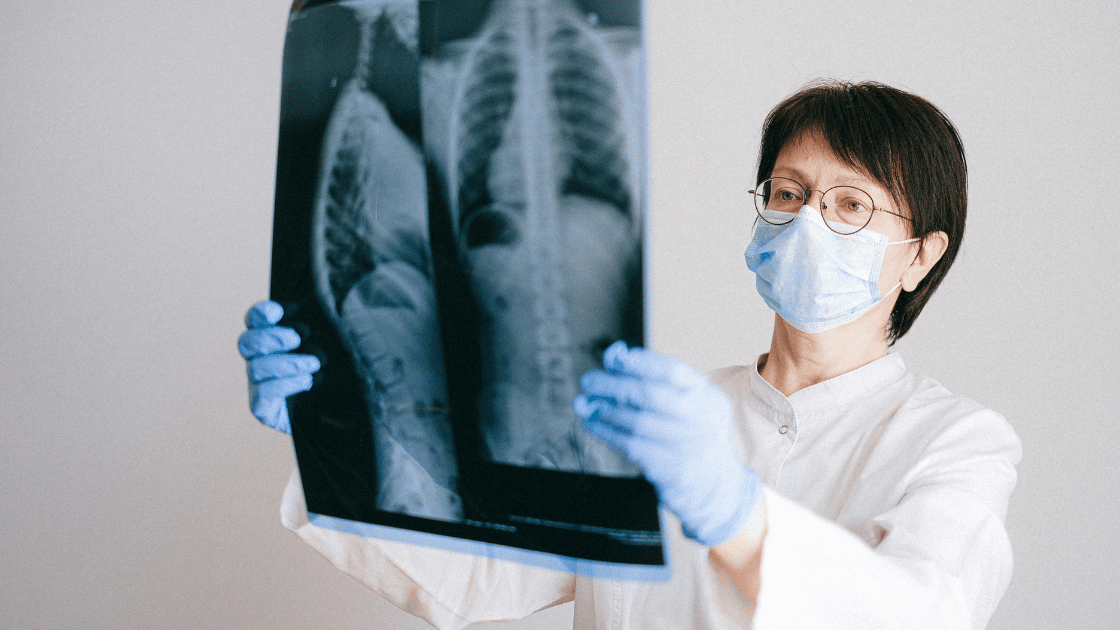
When you need medical imaging services in Singapore, finding quality X-ray and ultrasound facilities that combine advanced technology, experienced professionals, and convenient locations can feel overwhelming. Whether you require diagnostic imaging for health concerns, routine screening, or follow-up examinations, understanding what makes imaging services exceptional helps you make informed decisions about your healthcare. This comprehensive guide explores what to look for in X-ray and ultrasound services, explains common imaging procedures, and helps you identify the best imaging centres in Singapore for your needs.
Understanding Medical Imaging: X-Ray and Ultrasound Basics
Medical imaging plays a crucial role in modern healthcare, allowing doctors to see inside your body without surgery. X-rays and ultrasounds are two of the most common imaging modalities, each with unique strengths and applications. According to the World Health Organization (WHO), diagnostic imaging is essential for accurate diagnosis and treatment planning across virtually all medical specialties.
Furthermore, the Ministry of Health Singapore regulates medical imaging services to ensure quality and safety standards, protecting patients while maintaining high diagnostic accuracy.
What Is X-Ray Imaging?
X-ray imaging uses electromagnetic radiation to create pictures of structures inside your body, particularly bones and certain organs. X-rays pass through your body and are absorbed in different amounts depending on tissue density. Dense structures like bones appear white on X-ray images, while air-filled areas appear black, and soft tissues appear in shades of gray.
Common X-Ray Applications:
- Detecting bone fractures and injuries
- Identifying lung conditions and infections
- Evaluating heart size and shape
- Checking for foreign objects
- Screening for certain cancers
- Assessing dental health
- Monitoring treatment progress
What Is Ultrasound Imaging?
Ultrasound imaging, also called sonography, uses high-frequency sound waves to create real-time images of organs, tissues, and blood flow inside your body. Unlike X-rays, ultrasound involves no radiation exposure, making it safe for pregnant women and suitable for repeated examinations. Moreover, ultrasound provides dynamic, moving images that show organs functioning in real-time.
Common Ultrasound Applications:
- Monitoring pregnancy and fetal development
- Examining abdominal organs (liver, gallbladder, pancreas, kidneys, spleen)
- Assessing thyroid gland
- Evaluating breast lumps
- Checking pelvic organs (uterus, ovaries, prostate)
- Guiding biopsies and other procedures
- Assessing blood flow through vessels
What Makes X-Ray and Ultrasound Services “Best” in Singapore
Not all imaging centres offer the same quality of service, technology, or expertise. Understanding what distinguishes exceptional imaging services helps you choose facilities that provide accurate diagnoses and positive patient experiences.
Advanced Equipment and Technology
The best X-ray and ultrasound facilities in Singapore invest in modern, high-quality imaging equipment. Advanced technology produces clearer, more detailed images that enable more accurate diagnoses. Additionally, newer equipment often involves lower radiation exposure for X-rays and faster examination times for both modalities.
Quality Indicators:
- Digital X-ray systems (rather than outdated film-based systems)
- High-resolution ultrasound machines with advanced features
- Regularly maintained and calibrated equipment
- Updated technology that meets current medical standards
Experienced, Qualified Medical Professionals
Equipment alone doesn’t ensure quality—skilled professionals operating the equipment make the critical difference. The best imaging centres employ experienced radiographers, sonographers, and radiologists who have extensive training and expertise in medical imaging.
Professional Qualifications to Look For:
- Registered radiographers with appropriate certifications
- Experienced sonographers specializing in ultrasound imaging
- Board-certified radiologists interpreting images
- Continuous professional development and training
- Years of experience conducting imaging examinations
At HOP Medical Centre, our radiology services are provided by qualified medical professionals with over 20 years of combined experience delivering accurate, reliable imaging services.
Comprehensive Range of Imaging Services
The best imaging centres offer comprehensive services covering various diagnostic needs. Having multiple imaging modalities available in one location provides convenience and ensures continuity of care.
Comprehensive Services Include:
- Multiple types of X-ray examinations
- Various ultrasound specializations
- Additional diagnostic tests (ECG, mammography, etc.)
- Integration with health screening packages
- Quick access to follow-up imaging when needed
Quick Results and Report Turnaround
Waiting for imaging results can be stressful, particularly when concerned about health issues. Therefore, the best imaging centres prioritize efficient report delivery while maintaining accuracy. Quick turnaround times enable timely medical decisions and reduce patient anxiety.
Timing Expectations:
- Preliminary findings often available immediately after examination
- Detailed written reports typically within 7-10 working days
- Urgent cases prioritized for faster reporting
- Clear communication about when to expect results
Convenient Location and Accessibility
Accessibility matters, particularly for patients requiring multiple imaging appointments or those combining imaging with other medical services. Consequently, the best imaging centres are conveniently located near public transportation and offer flexible scheduling.
Location Advantages:
- Central locations easily accessible by MRT and bus
- Convenient for both residents and working professionals
- Multiple location options serving different areas of Singapore
- Adequate parking facilities where applicable
HOP Medical Centre operates two convenient locations for X-ray and ultrasound services:
- Orchard: Palais Renaissance, 390 Orchard Road, #11-03/04
- Tampines: CPF Tampines Building, 1 Tampines Central 5, #07-04/05
Comfortable, Patient-Friendly Environment
The physical environment impacts patient experience during imaging procedures. Specifically, the best facilities maintain clean, comfortable spaces that put patients at ease and ensure privacy during examinations.
Environment Quality Markers:
- Clean, well-maintained facilities
- Private examination rooms
- Comfortable waiting areas
- Professional, courteous staff
- Clear signage and directions
- Minimal wait times
Transparent Pricing
Quality imaging services provide clear, upfront pricing without hidden fees. Transparency in costs helps patients plan for medical expenses and avoid unexpected bills. Additionally, the best centres work with insurance providers and offer various payment options.
Common X-Ray Services: What to Expect
Understanding what different X-ray examinations involve helps you prepare appropriately and know what to expect during your visit.
Chest X-Ray
Chest X-rays are among the most common imaging procedures, providing valuable information about the heart, lungs, airways, blood vessels, and bones of the chest and spine. This quick, painless test helps diagnose many respiratory and cardiac conditions.
What Chest X-Rays Detect:
- Pneumonia and other lung infections
- Chronic lung diseases (COPD, emphysema)
- Lung cancer
- Heart enlargement or heart failure
- Collapsed lung (pneumothorax)
- Fractured ribs or spine injuries
- Fluid around the lungs (pleural effusion)
The Chest X-Ray Procedure:
- You’ll remove jewelry and clothing from the waist up, wearing a gown
- Stand against the X-ray plate while the technologist positions you
- Hold your breath briefly while the X-ray is taken
- Images are captured from front and side views
- Entire procedure takes about 10-15 minutes
Preparation Required:
- No fasting needed
- Inform staff if you’re pregnant or might be pregnant
- Remove metal objects and jewelry
- Inform technologist about pacemakers or other implanted devices
Bone X-Rays
Bone X-rays help diagnose fractures, joint problems, infections, arthritis, and bone tumors. These targeted X-rays focus on specific areas of concern rather than general screening.
Common Bone X-Ray Applications:
- Suspected fractures from injury
- Joint pain or swelling
- Bone deformities
- Arthritis evaluation
- Monitoring bone healing after fracture
- Detecting bone infections or tumors
What to Expect: The procedure varies based on the body part being examined but generally involves positioning the affected area against the X-ray plate and remaining still while images are captured. Consequently, you may need to hold positions briefly or move the affected area into different positions for multiple views.
Common Ultrasound Services: What to Expect
Ultrasound imaging offers versatile diagnostic capabilities across many medical specialties. Understanding different ultrasound types helps you prepare for examinations and understand their purposes.
Abdominal and Liver Ultrasound
Abdominal ultrasound examines organs in your abdomen including the liver, gallbladder, pancreas, spleen, and kidneys. This non-invasive test helps diagnose various conditions affecting these vital organs.
What Abdominal Ultrasounds Detect:
- Fatty liver disease
- Liver cysts or tumors
- Gallstones
- Kidney stones
- Pancreatic abnormalities
- Spleen enlargement
- Abdominal masses or fluid accumulation
The Abdominal Ultrasound Procedure:
- Fast for at least 8 hours before the examination
- Lie on examination table with abdomen exposed
- Technologist applies gel to your abdomen
- Moves transducer (hand-held device) across your abdomen
- You may be asked to hold your breath briefly or change positions
- Entire procedure takes 20-30 minutes
Preparation Required:
- Fast for 8 hours before appointment
- Avoid smoking 2 hours before examination
- Wear comfortable, loose clothing
- Bring previous scan results if available
Thyroid Ultrasound
Thyroid ultrasound examines the thyroid gland in your neck, helping identify nodules, enlargement, or other abnormalities. This examination is particularly important for evaluating thyroid lumps and screening for thyroid cancer.
What Thyroid Ultrasounds Evaluate:
- Thyroid nodules or lumps
- Thyroid enlargement (goiter)
- Thyroid cysts
- Suspicious masses requiring further evaluation
- Lymph nodes in the neck
The Thyroid Ultrasound Procedure:
- Lie on your back with a pillow under your shoulders
- Neck is positioned to provide access to thyroid area
- Gel is applied to your neck
- Transducer moved across thyroid region
- Examination takes approximately 15-20 minutes
Preparation Required:
- No fasting needed
- Avoid wearing necklaces or high-collared clothing
- No special preparation necessary
Breast Ultrasound
Breast ultrasound complements mammography in evaluating breast abnormalities. Specifically, this imaging helps characterize breast lumps and determine whether they are solid masses or fluid-filled cysts. Furthermore, younger women with dense breast tissue often benefit from ultrasound in addition to or instead of mammography.
What Breast Ultrasounds Evaluate:
- Breast lumps detected during self-examination or clinical exam
- Abnormalities found on mammogram
- Breast pain or tenderness
- Nipple discharge
- Breast implant evaluation
- Guiding breast biopsies
The Breast Ultrasound Procedure:
- Remove clothing from waist up and wear gown
- Lie on examination table
- Gel applied to breast area
- Transducer moved across breast tissue
- Both breasts usually examined for comparison
- Examination takes 20-30 minutes
Preparation Required:
- Schedule at least one week after menstruation
- Avoid perfumes, powders, or deodorants on breast area
- Wear comfortable two-piece outfit
- Bring previous mammograms or ultrasounds if available
Pelvic Ultrasound (For Women)
Pelvic ultrasound examines female reproductive organs including the uterus, ovaries, cervix, and fallopian tubes. This examination helps diagnose various gynecological conditions and monitor pregnancy. Additionally, transvaginal ultrasound provides clearer, more detailed images of pelvic organs than transabdominal ultrasound alone.
What Pelvic Ultrasounds Detect:
- Ovarian cysts
- Uterine fibroids
- Endometrial thickening or cancer
- Pelvic masses
- Ectopic pregnancy
- Causes of pelvic pain or abnormal bleeding
- Infertility evaluation
The Pelvic Ultrasound Procedure:
Transabdominal Approach:
- Drink 5-6 glasses of water 1 hour before examination
- Full bladder required for optimal imaging
- Lie on examination table
- Gel applied to lower abdomen
- Transducer moved across pelvic area
- Avoid urinating until examination complete
Transvaginal Approach:
- Empty bladder before examination
- Lie on examination table with knees bent
- Ultrasound probe covered with protective sheath and gel
- Probe gently inserted into vagina
- Provides clearer images of uterus and ovaries
- More comfortable with empty bladder
Preparation Required:
- Transabdominal: Full bladder required
- Transvaginal: Empty bladder preferred
- Schedule at least 5 days after menstruation
- Wear comfortable clothing
Prostate Ultrasound (For Men)
Prostate ultrasound examines the prostate gland and seminal vesicles in men, helping evaluate prostate enlargement, cancer risk, and other prostate-related conditions. This examination typically uses transabdominal approach with full bladder for optimal imaging.
What Prostate Ultrasounds Evaluate:
- Prostate enlargement (benign prostatic hyperplasia)
- Prostate cancer screening and evaluation
- Prostatitis (prostate inflammation)
- Bladder function and emptying
- Seminal vesicle abnormalities
The Prostate Ultrasound Procedure:
- Drink 5-6 glasses of water 1 hour before examination
- Full bladder required
- Lie on examination table
- Gel applied to lower abdomen
- Transducer moved across pelvic area
- May measure bladder before and after urination
Preparation Required:
- Full bladder required (drink 5-6 glasses of water 1 hour before)
- Avoid urinating before examination
- Wear comfortable clothing
Kidney Ultrasound
Kidney ultrasound examines kidney structure and detects abnormalities such as cysts, tumors, stones, or structural problems. This examination also evaluates the upper urinary tract.
What Kidney Ultrasounds Detect:
- Kidney stones
- Kidney cysts or tumors
- Kidney infections
- Hydronephrosis (swelling due to urine backup)
- Kidney size and shape abnormalities
- Polycystic kidney disease
The Kidney Ultrasound Procedure:
- Lie on examination table
- May lie on side to optimize kidney visualization
- Gel applied to flank area
- Transducer moved across kidney region
- Both kidneys examined
- Examination takes 15-20 minutes
Preparation Required:
- Generally no special preparation needed
- May require full bladder in some cases
- Bring previous scan results if available
Integrating Imaging with Comprehensive Health Screening
The best approach to health monitoring combines regular imaging services with comprehensive health screening. Specifically, integrating X-rays and ultrasounds into health screening packages provides complete health assessment that catches problems early.
Health Screening Packages Including Imaging
Many health screening programmes now include imaging services as part of comprehensive assessment. Consequently, our executive health screening packages allow you to choose from various imaging options based on your age, health history, and risk factors.
Typical Imaging in Health Screening Packages:
- Chest X-ray for lung and heart assessment
- Abdominal ultrasound for organ evaluation
- Thyroid ultrasound when thyroid concerns exist
- Breast ultrasound or mammography for women
- Prostate ultrasound for men over 50
- Additional imaging based on individual needs
Benefits of Combined Screening and Imaging
Combining health screening with imaging provides several advantages over obtaining services separately:
Convenience: Complete multiple tests in one appointment at one location
Coordination: Results reviewed together for comprehensive health assessment
Cost-Effectiveness: Package pricing often costs less than individual services
Efficiency: Integrated approach saves time and streamlines healthcare
Continuity: Same medical team coordinates all aspects of care
For quick, efficient health assessment including basic imaging, our express health screening packages provide essential testing in just 30 minutes.
Additional Diagnostic Services Beyond X-Ray and Ultrasound
Comprehensive imaging centres often provide additional diagnostic services that complement X-ray and ultrasound examinations. These services support complete health assessment and disease detection.
Mammography
Mammography uses low-dose X-rays specifically designed for breast imaging. This screening tool detects breast cancer early, often before lumps can be felt. Women over 40 should have regular mammograms according to screening guidelines.
Mammography Preparation:
- Schedule at least 1 week after menstruation
- Avoid perfumes, powders, deodorants on breast/underarm area
- Wear comfortable two-piece outfit
- Inform technologist if you’re pregnant
Electrocardiogram (ECG)
ECG measures the electrical activity of your heart, helping detect irregular heart rhythms, heart attacks, and other cardiac conditions. This quick, painless test provides valuable information about heart health.
ECG Preparation:
- Wear two-piece outfit (electrodes placed on chest)
- Men should shave chest hair if applicable
- No other special preparation needed
Bone Mineral Density Testing
Bone density testing measures calcium content in bones, screening for osteoporosis risk. This test is particularly important for postmenopausal women and others at risk for bone loss.
Who Should Get Bone Density Testing:
- Women over 65
- Postmenopausal women with risk factors
- Anyone with fractures from minor trauma
- People taking medications affecting bone density
How to Choose the Best Imaging Centre for Your Needs
Selecting the right imaging facility ensures you receive accurate diagnoses and positive experiences. Consider these factors when choosing where to obtain X-ray and ultrasound services.
Evaluate Facility Credentials
Research the imaging centre’s credentials, accreditations, and quality certifications. Reputable facilities meet regulatory requirements and maintain high standards.
Questions to Ask:
- Is the facility licensed and accredited?
- What qualifications do radiographers and sonographers hold?
- How long has the centre been operating?
- What equipment brands and models are used?
- How often is equipment maintained and calibrated?
Consider Location and Accessibility
Choose facilities conveniently located near your home, workplace, or regular medical providers. Accessibility becomes particularly important if you require multiple visits or follow-up imaging.
Location Considerations:
- Proximity to MRT stations or bus stops
- Parking availability
- Operating hours that fit your schedule
- Multiple locations if you need flexibility
Review Patient Experiences
Patient reviews and testimonials provide insights into service quality, wait times, staff professionalism, and overall experience. However, consider reviews in context—focus on patterns rather than isolated complaints.
Where to Find Reviews:
- Google reviews and ratings
- Healthcare review websites
- Social media comments
- Personal recommendations from doctors or friends
Compare Costs and Value
While cost shouldn’t be the only consideration, understanding pricing helps you budget for imaging services. Compare costs between facilities but also consider the value provided—advanced equipment, experienced staff, and comprehensive services justify higher prices.
Cost Considerations:
- Transparent pricing without hidden fees
- Insurance acceptance and direct billing
- Package deals for multiple tests
- Payment plan options if needed
Assess Communication and Service
Quality imaging centres prioritize clear communication and patient-centered service. Staff should explain procedures thoroughly, answer questions patiently, and treat patients with respect and compassion.
Service Quality Indicators:
- Friendly, professional staff
- Clear explanation of procedures
- Willingness to answer questions
- Respect for privacy and dignity
- Timely appointment scheduling
- Follow-up communication about results
Frequently Asked Questions About X-Ray and Ultrasound Services
Are X-rays safe? How much radiation exposure is involved?
Modern digital X-rays use very low radiation doses while providing high-quality images. Moreover, the radiation exposure from a single X-ray is minimal and considered safe. Healthcare providers only order X-rays when the diagnostic benefit outweighs the minimal risk. However, inform your doctor if you’re pregnant, as radiation can potentially affect developing fetuses.
Is ultrasound safe during pregnancy?
Yes, ultrasound is considered safe during pregnancy. Unlike X-rays, ultrasound uses sound waves rather than radiation. Consequently, doctors use ultrasound to monitor fetal development throughout pregnancy without safety concerns. However, ultrasound should only be performed for valid medical reasons by qualified professionals.
How long do X-ray and ultrasound examinations take?
Most X-ray examinations take 10-15 minutes including positioning and capturing images. Ultrasound examinations typically take 15-30 minutes depending on the area being examined and complexity of the case. Additionally, allow extra time for registration and preparation.
Do I need a doctor’s referral for imaging services?
Requirements vary by imaging centre and specific examination. Some facilities accept patients without referrals for certain routine imaging, while others require referrals for all services. Moreover, insurance coverage often requires referrals. Contact the imaging centre to clarify their referral policies before booking.
When will I receive my imaging results?
Many imaging centres provide preliminary findings immediately after examination, particularly if a radiologist is available on-site. However, detailed written reports typically take 7-10 working days as radiologists carefully analyze images and prepare comprehensive reports. Urgent cases may receive faster reporting.
Can I request copies of my images?
Yes, you have the right to copies of your medical images. Request images on CD or digitally when booking your appointment or after examination. Some centres charge small fees for image copies. Having your own copies allows you to share images with multiple healthcare providers without requesting transfers.
What if my imaging shows abnormal findings?
If imaging reveals abnormalities, follow up with your referring doctor or the radiologist who interpreted your images. They’ll explain what was found, what it means, and recommend next steps such as additional testing, specialist consultation, or treatment. Don’t panic—many abnormal findings are minor issues requiring simple treatment or no intervention.
Taking Control of Your Health Through Quality Imaging
X-ray and ultrasound services play vital roles in modern healthcare, enabling accurate diagnosis and appropriate treatment for countless medical conditions. Choosing quality imaging services ensures you receive accurate results from experienced professionals using advanced equipment in comfortable, convenient facilities.
Whether you need routine screening imaging, diagnostic tests for specific symptoms, or follow-up examinations for known conditions, selecting the right imaging centre impacts both your experience and your health outcomes. Therefore, consider factors beyond cost alone—equipment quality, professional expertise, location convenience, and patient-centered service all contribute to exceptional imaging experiences.
By combining quality imaging services with comprehensive health screening, you create a complete approach to health monitoring that catches problems early when treatment is most effective. Regular screening including appropriate imaging provides peace of mind and protects your long-term health through early detection and intervention.
Disclaimer: This article is for informational purposes only and does not constitute medical advice. Imaging service selection and medical testing decisions should be made in consultation with qualified healthcare professionals who can assess your individual health needs, medical history, and risk factors. Information about imaging procedures, preparation requirements, and safety considerations may vary based on specific circumstances. Always follow instructions provided by your healthcare providers and imaging facility.
With over 20 years of trusted medical expertise in Singapore, state-of-the-art imaging equipment, and convenient locations in Orchard and Tampines, HOP Medical Centre provides comprehensive X-ray and ultrasound services that meet the highest quality standards. Our experienced radiographers and sonographers deliver accurate, reliable imaging services in comfortable, patient-friendly environments. Whether you need standalone imaging or comprehensive health screening including imaging components, our professional team is committed to your health and wellbeing through accurate diagnosis and exceptional care. Contact us today to schedule your X-ray or ultrasound examination and experience the difference quality imaging services make.