
Understanding Cysts: When You Need Ultrasound Screening and What to Expect
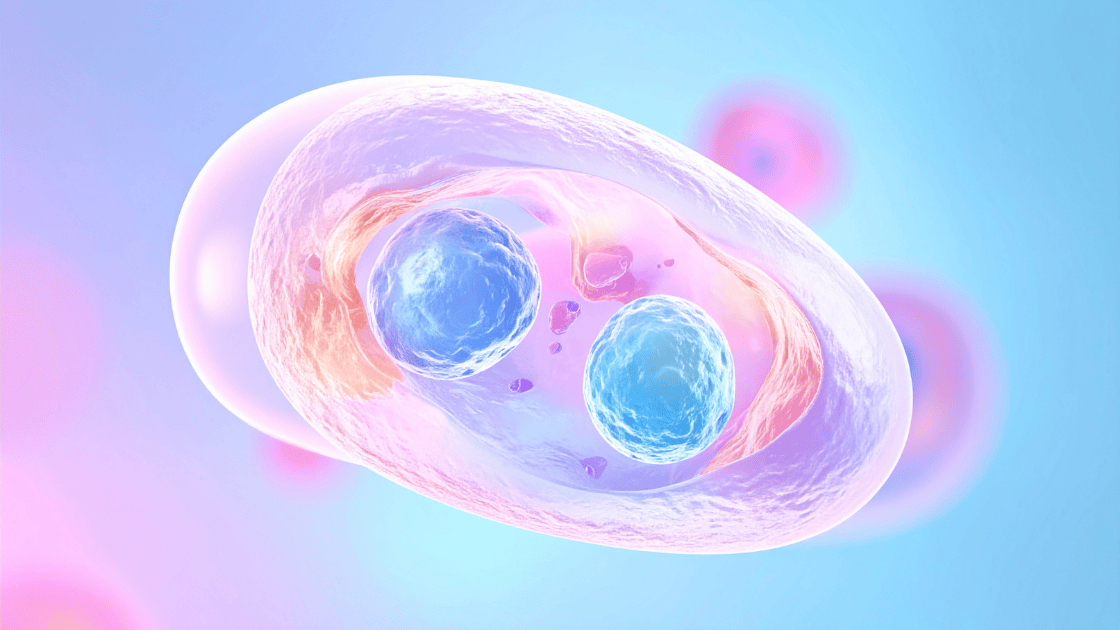
Discovering you have cysts can feel alarming, yet cysts are among the most common findings during medical imaging. Most cysts are benign, fluid-filled sacs that require no treatment, while some need monitoring or intervention. Understanding what cysts are, where they commonly develop, and when ultrasound screening becomes necessary helps you make informed decisions about your health. This comprehensive guide explains different types of cysts, symptoms that warrant ultrasound evaluation, and how imaging helps doctors determine whether cysts require treatment or simple observation.
What Are Cysts and Why Do They Form?
Cysts are closed sac-like structures filled with liquid, semi-solid material, or gas. These fluid-filled pockets can develop almost anywhere in the body, varying greatly in size from microscopic to large enough to displace internal organs. According to general medical knowledge, cysts represent one of the most frequent findings during routine medical imaging, with many people having cysts without ever knowing.
Common Types of Cysts
Medical professionals classify cysts by location, content, and cause. Understanding different cyst types helps you recognize when symptoms warrant ultrasound evaluation.
Simple Cysts: These fluid-filled sacs have thin walls and contain clear liquid. Typically, simple cysts are benign and often require no treatment.
Complex Cysts: In contrast, these cysts contain solid components, thick walls, or internal structures. Complex cysts require more careful evaluation as they occasionally indicate more serious conditions.
Functional Cysts: Furthermore, these cysts develop as part of normal body processes, particularly in reproductive organs. Functional cysts often resolve on their own without intervention.
Pathological Cysts: On the other hand, these cysts result from abnormal cell growth or underlying disease. Pathological cysts may require treatment depending on size, location, and symptoms.
Why Cysts Develop
Cysts form for various reasons, many of which are completely normal and harmless. Understanding why cysts develop helps reduce anxiety when imaging reveals these common findings.
Common Causes of Cyst Formation:
- Normal hormonal fluctuations (particularly reproductive organ cysts)
- Blocked ducts or glands
- Inherited conditions
- Chronic inflammatory conditions
- Infections
- Tumors (though most cysts are not tumors)
- Cellular defects
- Parasites
Many cysts develop with no identifiable cause and pose no health concerns. However, certain cyst patterns or characteristics warrant medical evaluation through ultrasound screening.
Common Locations Where Cysts Develop
Cysts can form in virtually any body tissue, but certain locations are more common. Knowing where cysts typically develop helps you recognize symptoms that might indicate cyst formation.
Ovarian Cysts: The Most Common Reproductive Finding
Ovarian cysts are fluid-filled sacs that develop on or within the ovaries. These cysts are extremely common, with most women developing at least one during their lifetime. According to HOP Medical Centre’s services, pelvic ultrasound examines “the female reproductive system for any abnormalities such as ovarian cysts, cancer, uterine fibroids or endometrial thickening.”
Types of Ovarian Cysts:
Functional Cysts: These form during normal menstrual cycles and typically disappear within a few months without treatment. Specifically, functional cysts include follicular cysts and corpus luteum cysts.
Dermoid Cysts: In contrast, these cysts contain various tissue types including hair, skin, or teeth. Although dermoid cysts are usually benign, they may require surgical removal.
Cystadenomas: Meanwhile, these cysts develop from ovarian tissue and can grow quite large. Cystadenomas are typically benign but require monitoring.
Endometriomas: Additionally, these cysts form when endometrial tissue grows on the ovaries. Endometriomas are associated with endometriosis and may cause pain.
Symptoms of Ovarian Cysts:
- Pelvic pain or pressure
- Bloating or abdominal swelling
- Pain during intercourse
- Irregular menstrual periods
- Difficulty emptying bladder completely
- Sudden severe pain (if cyst ruptures or twists)
Many ovarian cysts cause no symptoms and are discovered incidentally during pelvic ultrasound for other reasons. However, persistent symptoms warrant ultrasound evaluation to assess cyst characteristics and determine appropriate management.
Kidney Cysts: Common with Aging
Kidney cysts are round pouches of fluid that form on or in the kidneys. These cysts become increasingly common with age, with many people over 50 having at least one kidney cyst. HOP Medical Centre’s kidney ultrasound service “examines the physical appearance of the kidney and can detect for cysts, tumours and kidney stone diseases.”
Types of Kidney Cysts:
Simple Kidney Cysts: These thin-walled, fluid-filled cysts are the most common type. Generally, simple kidney cysts rarely cause symptoms or complications and typically require no treatment.
Complex Kidney Cysts: Conversely, these cysts have thicker walls, irregular shapes, or solid components. Complex kidney cysts require closer monitoring as some may indicate more serious conditions.
Polycystic Kidney Disease: Furthermore, this inherited condition causes numerous cysts to develop in both kidneys. Polycystic kidney disease can lead to kidney failure and requires ongoing medical management.
Symptoms of Kidney Cysts:
- Most kidney cysts cause no symptoms
- Dull pain in back or side (when cysts become large)
- Fever (if cyst becomes infected)
- Blood in urine (rare)
- High blood pressure (in some cases)
Many kidney cysts are discovered incidentally during imaging for other purposes. However, symptoms like persistent back pain or blood in urine warrant kidney ultrasound evaluation.
Liver Cysts: Usually Harmless Findings
Liver cysts are fluid-filled sacs that develop in the liver. Most liver cysts are simple cysts that cause no symptoms and require no treatment. According to HOP Medical Centre’s imaging services, liver ultrasound “commonly detects for fatty liver, liver cysts and tumours.”
Types of Liver Cysts:
Simple Liver Cysts: These benign, fluid-filled cysts are quite common and typically discovered incidentally. Moreover, simple liver cysts rarely grow large enough to cause symptoms.
Polycystic Liver Disease: In contrast, this condition, often associated with polycystic kidney disease, involves multiple cysts throughout the liver.
Parasitic Cysts: Meanwhile, these cysts result from parasitic infections. Parasitic liver cysts are rare in Singapore but occur in areas where certain parasites are endemic.
Symptoms of Liver Cysts:
- Most liver cysts cause no symptoms
- Abdominal fullness or discomfort (when cysts grow large)
- Pain in upper right abdomen (rare)
- Nausea (uncommon)
Liver cysts are often discovered during abdominal ultrasound for other reasons. However, large cysts or cysts causing symptoms may require monitoring through follow-up imaging.
Breast Cysts: Common Benign Breast Lumps
Breast cysts are fluid-filled sacs within breast tissue. These cysts are common, particularly in women between ages 35 and 50. HOP Medical Centre’s breast ultrasound service “examines the breast to diagnose breast lumps or any abnormalities found.”
Characteristics of Breast Cysts:
- Round or oval shape
- Distinct edges
- Smooth texture
- May feel tender
- Often change with menstrual cycle
- Can occur singly or in groups
Symptoms of Breast Cysts:
- Smooth, easily movable breast lump
- Breast pain or tenderness
- Lump that increases in size before menstruation
- Lump that decreases after menstruation
Breast ultrasound helps distinguish cysts from solid masses, providing crucial information for determining whether further evaluation is needed. Consequently, any new breast lump warrants medical evaluation regardless of suspected cause.
Thyroid Cysts: Fluid-Filled Thyroid Nodules
Thyroid cysts are fluid-filled nodules in the thyroid gland. Most thyroid cysts are benign and cause no symptoms. HOP Medical Centre’s thyroid ultrasound “examines and characterises the swelling found in the thyroid gland, particularly if there are any nodules suspicious of cancer.”
Symptoms of Thyroid Cysts:
- Most cause no symptoms
- Visible swelling in neck (when large)
- Difficulty swallowing
- Difficulty breathing (rare, with very large cysts)
- Hoarseness (uncommon)
Thyroid ultrasound evaluates cyst characteristics and helps determine whether biopsy is needed to rule out other conditions.
When You Need Ultrasound Screening for Cysts
While many cysts are harmless and discovered incidentally, certain symptoms and situations warrant ultrasound evaluation. Understanding when to seek imaging helps ensure timely diagnosis and appropriate management.
Symptoms That Warrant Ultrasound for Cysts
Specific symptoms suggest cysts may be present and require evaluation through ultrasound imaging.
Pelvic or Abdominal Pain: Persistent or severe pain in the pelvis or abdomen may indicate ovarian cysts, kidney cysts, or liver cysts. Therefore, ultrasound helps identify cyst presence, location, and characteristics.
Palpable Lumps: Any lump you can feel—whether in the breast, neck, or elsewhere—warrants ultrasound evaluation to determine whether the lump represents a cyst or other type of growth.
Abnormal Bleeding: Irregular menstrual bleeding or bleeding between periods may indicate ovarian cysts. Consequently, pelvic ultrasound helps evaluate ovarian appearance and identify cysts.
Urinary Changes: Difficulty urinating, frequent urination, or inability to empty bladder completely may suggest pelvic cysts pressing on the bladder. Accordingly, ultrasound identifies cysts and evaluates their effect on surrounding structures.
Bloating or Abdominal Swelling: Persistent bloating or visible abdominal swelling may indicate large ovarian cysts or multiple liver cysts. Therefore, ultrasound determines cyst presence and size.
Unexplained Weight Gain: Sudden weight gain, particularly in the abdominal area, might indicate large cysts. Consequently, ultrasound helps identify the source of abdominal enlargement.
Screening for Cysts in High-Risk Individuals
Certain people benefit from regular ultrasound screening for cysts even without symptoms.
Who Needs Regular Screening:
- Women with family history of ovarian cysts or polycystic ovary syndrome
- People with polycystic kidney disease or family history
- Individuals with previous cysts requiring monitoring
- Women with endometriosis
- People with inherited conditions predisposing to cyst formation
Regular screening through health screening packages allows early detection of cysts before they cause symptoms or complications.
Incidental Cyst Findings During Health Screening
Many cysts are discovered incidentally during imaging for other purposes. For instance, abdominal ultrasound performed as part of comprehensive health screening might reveal liver or kidney cysts. Similarly, breast ultrasound during routine screening might identify breast cysts.
HOP Medical Centre’s executive health screening packages include ultrasound options that can detect cysts in various organs. These packages provide comprehensive evaluation including:
- Abdominal ultrasound (detects liver and kidney cysts)
- Pelvic ultrasound (identifies ovarian cysts)
- Breast ultrasound (evaluates breast cysts)
- Thyroid ultrasound (examines thyroid cysts)
Discovering cysts during routine screening allows monitoring and intervention if needed, even before symptoms develop.
How Ultrasound Detects and Evaluates Cysts
Ultrasound is the preferred imaging method for detecting and characterizing cysts. Understanding how ultrasound works and what information it provides helps you appreciate this valuable diagnostic tool.
Why Ultrasound Is Ideal for Cyst Evaluation
Ultrasound offers several advantages for cyst assessment compared to other imaging methods.
Benefits of Ultrasound for Cysts:
- No radiation exposure (safe for repeated examinations)
- Excellent visualization of fluid-filled structures
- Real-time imaging showing cyst characteristics
- Ability to distinguish cysts from solid masses
- Can evaluate blood flow to cyst walls
- Non-invasive and painless
- Relatively quick examination
- No contrast material required
These advantages make ultrasound the first-line imaging choice when doctors suspect cysts.
What Ultrasound Reveals About Cysts
During ultrasound examination, sonographers and radiologists evaluate multiple cyst characteristics that help determine whether cysts are benign or require further evaluation.
Cyst Characteristics Assessed by Ultrasound:
Size: Ultrasound precisely measures cyst dimensions. Specifically, size helps determine whether monitoring or treatment is needed.
Shape: Regular, round, or oval cysts are typically benign. In contrast, irregular shapes may warrant closer evaluation.
Wall Thickness: Thin-walled cysts are usually benign. However, thick or irregular walls require more careful assessment.
Internal Contents: Simple fluid appears uniformly dark on ultrasound. Conversely, debris, solid components, or septations (internal divisions) indicate complex cysts requiring further evaluation.
Number: Single cysts versus multiple cysts provide diagnostic information about underlying conditions.
Location: Furthermore, precise cyst location helps doctors determine potential impact on surrounding organs.
Blood Flow: Additionally, Doppler ultrasound shows whether blood flows to cyst walls. Increased blood flow sometimes indicates more concerning cysts.
The Ultrasound Examination Process for Cysts
Understanding what happens during ultrasound examination helps you prepare and know what to expect.
Typical Ultrasound for Cyst Evaluation:
- You’ll lie on an examination table
- Sonographer applies gel to the skin over the area being examined
- Transducer (hand-held device) is moved across the area
- Images are captured from multiple angles
- Measurements are taken
- Doppler may be used to assess blood flow
- Examination typically takes 15-30 minutes
Different cyst locations require specific ultrasound approaches. For example, pelvic ultrasound for ovarian cysts may use both transabdominal and transvaginal approaches for optimal visualization.
Understanding Your Cyst Diagnosis: What Happens Next
After ultrasound detects cysts, doctors determine appropriate next steps based on cyst characteristics, symptoms, and your overall health.
Simple Cysts: Usually Just Monitoring
Most simple cysts require no treatment beyond observation. Your doctor may recommend:
Watchful Waiting: Many cysts disappear on their own, particularly functional ovarian cysts. Therefore, follow-up ultrasound in several weeks or months confirms resolution.
Periodic Monitoring: Some cysts that don’t resolve completely remain stable for years. Consequently, regular ultrasound ensures cysts aren’t growing or changing.
Symptom Management: If cysts cause mild discomfort, over-the-counter pain relievers may help. Meanwhile, doctors address symptoms while monitoring cysts.
Complex Cysts: Further Evaluation
Complex cysts require more careful evaluation to rule out other conditions.
Additional Imaging: CT scan or MRI may provide more detailed information about complex cysts.
Blood Tests: Furthermore, tumor markers or other blood tests help assess whether cysts might be related to other conditions.
Biopsy or Aspiration: Removing fluid from cysts (aspiration) or taking tissue samples (biopsy) provides definitive diagnosis when needed.
Specialist Consultation: Additionally, complex cysts often warrant evaluation by specialists such as gynecologists, urologists, or surgeons.
When Cysts Require Treatment
While most cysts need only monitoring, some situations warrant active treatment.
Indications for Cyst Treatment:
- Large cysts causing symptoms
- Cysts that don’t resolve after several months
- Cysts with concerning characteristics on imaging
- Ruptured cysts causing severe pain or bleeding
- Cysts that interfere with organ function
- Infected cysts
- Cysts suspected to be cancerous
Treatment Options:
- Drainage (removing fluid through needle)
- Surgical removal
- Laparoscopic surgery (minimally invasive)
- Hormonal therapy (for some ovarian cysts)
- Medication (for infected cysts)
Your doctor recommends treatment based on cyst type, location, size, symptoms, and overall health.
Integrating Cyst Screening Into Health Screening Packages
The most effective approach to cyst detection combines targeted ultrasound when symptoms develop with regular health screening that includes imaging components.
Benefits of Regular Health Screening for Cyst Detection
Including ultrasound in regular health screening provides several advantages:
Early Detection: Screening identifies cysts before they cause symptoms or grow large.
Baseline Establishment: Furthermore, initial screening establishes baseline, allowing comparison during future examinations.
Incidental Findings: Screening for other conditions may reveal cysts, enabling monitoring.
Peace of Mind: Additionally, normal screening results provide reassurance.
Risk Assessment: Moreover, screening identifies patterns that might indicate inherited conditions.
Choosing Appropriate Screening Packages
Different health screening packages include various ultrasound options suitable for cyst detection.
HOP Medical Centre’s health screening packages offer ultrasound selections that can detect cysts:
Premium Economy Package: Includes option to choose abdominal ultrasound that can detect liver and kidney cysts.
Business Class Package: Offers enhanced options including pelvic ultrasound for ovarian cysts or other ultrasound types.
First Class Package: Provides multiple ultrasound options for comprehensive cyst screening across different organs.
Suites Class Package: Offers the most comprehensive ultrasound coverage for thorough cyst evaluation.
For quick screening, HOP’s express health screening packages provide efficient assessment. For comprehensive evaluation including multiple ultrasound options, executive health screening packages offer extensive imaging and consultation.
Customizing Screening Based on Risk Factors
Work with healthcare providers to determine which ultrasound examinations you need based on:
- Age and gender
- Family history
- Previous cyst findings
- Symptoms or concerns
- Inherited conditions
- Overall health status
Personalized screening ensures you receive appropriate evaluation without unnecessary testing.
Preparing for Ultrasound to Detect Cysts
Proper preparation ensures optimal ultrasound quality and accurate cyst detection.
General Preparation Guidelines
Most ultrasound examinations require minimal preparation:
- Wear comfortable, easily removable clothing
- Bring previous imaging results if available
- Inform technologist about any concerns or symptoms
- Follow specific preparation instructions for the ultrasound type
Specific Preparation by Ultrasound Type
Different ultrasound examinations have unique preparation requirements.
Abdominal/Liver Ultrasound (for liver and kidney cysts):
- Fast for at least 8 hours before examination
- Avoid smoking at least 2 hours before scan
- You may drink water
According to HOP Medical Centre’s preparation guidelines for abdominal ultrasound: “Fast for at least 8 hours” and “Avoid smoking at least 2 hours before your scan.”
Pelvic Ultrasound (for ovarian cysts):
- Transabdominal: Drink 5-6 glasses of water 1 hour before, maintain full bladder
- Transvaginal: Empty bladder before examination
- Schedule at least 5 days after menstruation
HOP’s pelvic ultrasound preparation states: “Drink 5 to 6 glasses of water 1 hour before your scan” and “Avoid urination.”
Breast Ultrasound (for breast cysts):
- Schedule at least 1 week after menstruation
- Avoid perfumes, powders, deodorants on breast area
- Wear comfortable two-piece outfit
Thyroid Ultrasound (for thyroid cysts):
- No special preparation needed
- Avoid wearing necklaces
- High-collared clothing may need to be removed
Following preparation instructions ensures high-quality images that accurately detect and characterize cysts.
Living with Cysts: What You Should Know
For most people with cysts, these fluid-filled sacs represent benign findings requiring minimal intervention. Understanding how to manage cysts reduces anxiety and ensures appropriate care.
When to Worry About Cysts
Most cysts are harmless, but certain warning signs warrant immediate medical attention:
Seek Immediate Care If:
- Sudden, severe abdominal or pelvic pain
- Pain accompanied by fever and vomiting
- Rapid breathing or dizziness
- Faintness or weakness
- Signs of shock
These symptoms might indicate ruptured cyst, ovarian torsion (twisted ovary), or other complications requiring emergency treatment.
Schedule Prompt Evaluation For:
- New or changing lumps
- Persistent pain
- Unusual bleeding
- Symptoms that interfere with daily activities
- Cysts that grow on follow-up imaging
Lifestyle Considerations with Cysts
While most cysts require no lifestyle modifications, certain considerations apply:
For Ovarian Cysts:
- Maintain healthy weight
- Regular exercise (avoid high-impact activities if cysts are large)
- Monitor menstrual patterns
- Report persistent symptoms
For Kidney Cysts:
- Control blood pressure
- Stay well-hydrated
- Monitor for urinary changes
- Follow recommended screening schedule
For All Cysts:
- Keep ultrasound appointments as scheduled
- Report new or worsening symptoms promptly
- Maintain healthy lifestyle
- Don’t ignore warning signs
The Importance of Follow-Up Imaging
Many cysts require follow-up ultrasound to ensure they remain stable or resolve. Follow-up timing depends on cyst characteristics:
- Functional ovarian cysts: Recheck in 6-8 weeks
- Simple kidney cysts: May need follow-up in 6-12 months
- Complex cysts: Follow-up schedule based on characteristics
- Stable cysts: Annual or periodic monitoring
Completing recommended follow-up imaging ensures any changes are detected promptly.
Frequently Asked Questions About Cysts and Ultrasound Screening
Are all cysts dangerous?
No, most cysts are benign and cause no health problems. Many cysts resolve on their own without treatment. However, cysts require evaluation through ultrasound to determine their characteristics and whether monitoring or treatment is needed.
Can ultrasound tell if a cyst is cancerous?
Ultrasound provides information about cyst characteristics that help assess cancer risk. Simple, thin-walled cysts are almost always benign. In contrast, complex cysts with solid components, thick walls, or increased blood flow may require additional evaluation. However, only biopsy provides definitive cancer diagnosis.
How often should I get screened for cysts?
Screening frequency depends on your risk factors, symptoms, and previous findings. People with symptoms should get ultrasound promptly. Similarly, those with family history or previous cysts may benefit from regular screening. Discuss appropriate screening schedule with your healthcare provider.
Do cysts always cause symptoms?
No, many cysts cause no symptoms and are discovered incidentally during imaging for other reasons. However, large cysts or cysts in certain locations are more likely to cause symptoms than small cysts.
Will my cysts go away on their own?
Many cysts, particularly functional ovarian cysts, resolve without treatment. Follow-up ultrasound determines whether cysts have resolved. However, some cysts persist and require ongoing monitoring.
What’s the difference between a cyst and a tumor?
Cysts are fluid-filled sacs, while tumors are solid masses of abnormal tissue. Tumors can be benign or malignant (cancerous). Furthermore, ultrasound helps distinguish cysts from solid masses. Some growths have both cystic and solid components, requiring careful evaluation.
Can I prevent cysts from forming?
Most cysts cannot be prevented as they often result from normal body processes or inherited factors. However, maintaining overall health through balanced diet, regular exercise, and appropriate medical care supports your body’s natural processes.
Does finding cysts mean I need surgery?
No, most cysts require no surgery. Many resolve spontaneously or remain stable with monitoring. Therefore, surgery is typically reserved for large cysts causing symptoms, cysts with concerning characteristics, or cysts that don’t resolve after appropriate monitoring period.
Taking Action: Schedule Your Ultrasound Screening
Cysts are common findings that range from completely benign to requiring medical attention. Understanding when symptoms warrant ultrasound evaluation and how imaging helps assess cysts empowers you to make informed healthcare decisions.
Don’t ignore persistent symptoms like pelvic pain, palpable lumps, abnormal bleeding, or urinary changes. These symptoms may indicate cysts requiring evaluation. Consequently, early detection through ultrasound enables appropriate monitoring and intervention when needed, preventing complications and providing peace of mind.
Regular health screening including ultrasound components helps detect cysts before they cause symptoms. This proactive approach allows early intervention when needed and confirms that incidental findings require only observation.
Disclaimer: This article is for informational purposes only and does not constitute medical advice. Cyst evaluation and treatment decisions should be made in consultation with qualified healthcare professionals who can assess your individual symptoms, medical history, and specific circumstances. Information about cysts and ultrasound screening is general in nature and may not apply to all situations. Always follow medical advice from your healthcare providers.
With over 20 years of trusted medical expertise in Singapore, advanced ultrasound capabilities, and convenient locations in Orchard and Tampines, HOP Medical Centre provides quality cyst screening and evaluation. Our experienced sonographers and radiologists deliver accurate ultrasound services that detect and characterize cysts in kidneys, liver, ovaries, breast, thyroid, and other organs. Whether you need targeted ultrasound for concerning symptoms or comprehensive health screening including imaging for cyst detection, our professional team is committed to your health through accurate diagnosis and quality care. Contact us today to schedule ultrasound screening or explore our health screening packages that include ultrasound options for comprehensive cyst evaluation.