
Thyroid Screening Singapore: What It Tests, Who Needs It and What the Results Mean
✍️ Written by: HOP Medical Centre Health Content Team ⚕️ Medically Reviewed by: HOP Senior Clinical Staff 📅 Published: March 2026 | 🔄 Last Reviewed: March 2026
⚕️ Medical Disclaimer: This article is for general informational purposes only and does not constitute medical advice. An abnormal thyroid result is not a standalone diagnosis — always consult a qualified physician for follow-up and interpretation. Content aligns with clinical guidelines current as of March 2026.
Thyroid screening Singapore residents often overlook is one of the most straightforward yet frequently missed parts of a comprehensive health check. The thyroid is a small, butterfly-shaped gland at the front of the neck. However, its effects on the body are far-reaching — it regulates metabolism, energy production, heart rate, body temperature, cholesterol levels, mood, and reproductive health. When it produces too little or too much hormone, the impact spreads across virtually every organ system.
Moreover, thyroid disorders are common and frequently go undetected. Symptoms such as persistent fatigue, unexplained weight changes, feeling constantly cold or overheated, brain fog, and mood shifts are easy to attribute to stress or ageing. Consequently, thyroid dysfunction often goes undiagnosed until a blood test reveals the cause. This guide explains who needs thyroid screening, what each test measures, how to read your results, and when an ultrasound is the appropriate next step.
What the Thyroid Does — and Why It Matters
Before understanding thyroid screening Singapore clinics provide, it helps to understand what the thyroid actually controls.
The thyroid produces two key hormones: T3 (triiodothyronine) and T4 (thyroxine). These hormones travel through the bloodstream and influence nearly every cell in the body. They set the pace of metabolism — determining how quickly your body converts food into energy, how fast your heart beats, how well your gut moves, how sharp your thinking is, and how your body manages weight.
The pituitary gland in the brain monitors thyroid hormone levels constantly. When T3 and T4 fall too low, the pituitary releases more TSH (thyroid-stimulating hormone) to prompt the thyroid to produce more. Conversely, when thyroid hormones are too high, TSH drops to slow production down. This feedback loop is what thyroid blood tests measure. An abnormality in any part of this system — the thyroid itself or the pituitary’s regulation of it — can cause a thyroid disorder.
Types of Thyroid Disorders
There are two main directions in which thyroid function can go wrong:
Hypothyroidism (Underactive Thyroid)
Hypothyroidism occurs when the thyroid does not produce enough T3 and T4. As a result, the body’s metabolism slows. Common causes include Hashimoto’s thyroiditis (an autoimmune condition), previous thyroid surgery, radioactive iodine treatment, or certain medications such as amiodarone and lithium.
Common symptoms include:
- Persistent fatigue and sluggishness
- Unexplained weight gain despite no change in diet
- Feeling cold even in warm environments
- Dry skin and hair thinning
- Constipation
- Low mood or depression
- Brain fog and difficulty concentrating
- Slower heart rate
- In women — irregular or heavy menstrual periods
Hyperthyroidism (Overactive Thyroid)
Hyperthyroidism occurs when the thyroid produces too much T3 and T4. Graves’ disease — an autoimmune condition where antibodies stimulate the thyroid — is the most common cause.
Common symptoms include:
- Unexplained weight loss despite normal or increased appetite
- Rapid or irregular heartbeat (palpitations)
- Feeling excessively warm or sweating more than usual
- Anxiety, nervousness, and irritability
- Trembling hands
- Difficulty sleeping
- Frequent bowel movements
- In women — light or infrequent periods
Many of these symptoms are non-specific — they overlap with stress, burnout, and other conditions. Therefore, a blood test is the only way to confirm whether the thyroid is involved.
Who Needs Thyroid Screening in Singapore?
While thyroid disorders can affect anyone, certain groups face a higher risk and should prioritise thyroid screening Singapore health professionals recommend:
- Women aged 35 and above — thyroid disorders are significantly more common in women than men, and risk increases with age
- Anyone with a family history of thyroid disease, including Hashimoto’s thyroiditis or Graves’ disease
- Those with existing autoimmune conditions — such as Type 1 diabetes, rheumatoid arthritis, vitiligo, or lupus — as these increase the risk of autoimmune thyroid disease
- Individuals who have undergone prior thyroid surgery or radioactive iodine treatment — as these directly affect ongoing thyroid function
- People on long-term medications known to affect thyroid function, such as amiodarone or lithium
- Anyone experiencing unexplained fatigue, persistent weight changes, or mood symptoms that have not been explained by other investigations
- Pregnant women or those planning pregnancy — thyroid function has a direct impact on fertility and foetal development; therefore, thyroid screening is important both before and during pregnancy
- Adults of Asian or Caucasian descent — clinical evidence suggests these groups have a higher predisposition to hypothyroidism
Additionally, including a thyroid profile as part of a comprehensive annual health screen is a reasonable step for any adult, given how commonly thyroid dysfunction goes undetected and how effectively it responds to treatment once identified.
What Thyroid Screening Involves
Thyroid screening Singapore clinics conduct involves two complementary approaches: a blood test panel and, where appropriate, an ultrasound.
Thyroid Profile — Blood Tests
A thyroid profile is a set of blood tests that measure key hormones and, in some cases, antibodies. HOP Medical Centre includes a Thyroid Profile as part of its Executive Health Screening packages. The tests within a thyroid profile typically include:
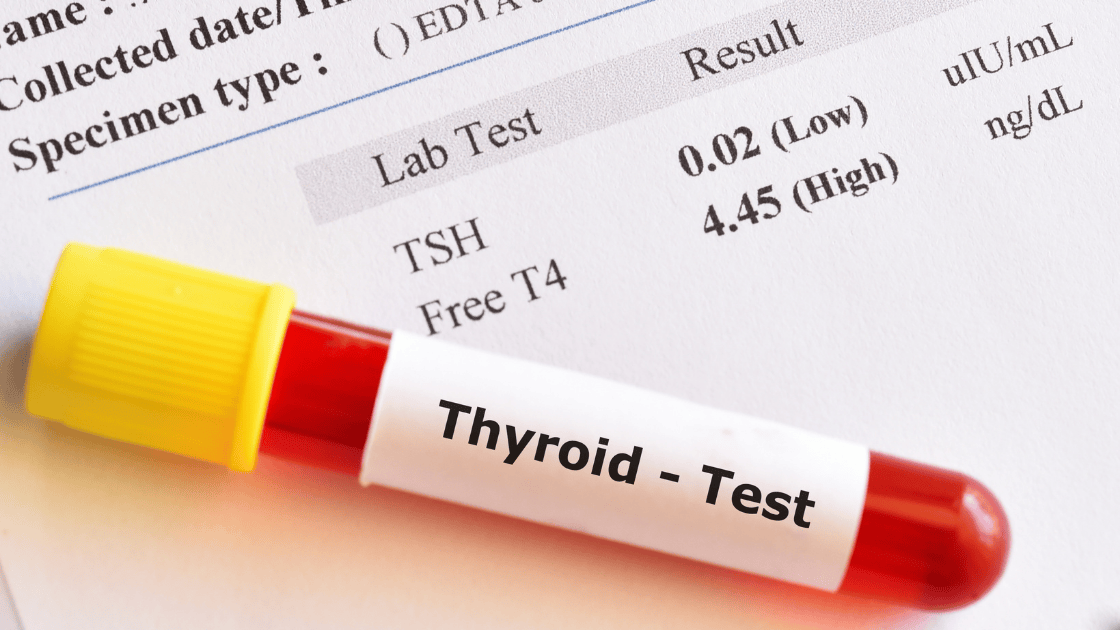
TSH (Thyroid-Stimulating Hormone) TSH is the primary and most sensitive marker for thyroid function. Because TSH rises when the thyroid is underperforming and falls when it is overactive, it gives the clearest initial signal of dysfunction. TSH is always the first test assessed.
| TSH Level | Likely Interpretation |
|---|---|
| Low TSH | Possible hyperthyroidism — thyroid may be overactive |
| Normal TSH | Thyroid function is likely normal |
| High TSH | Possible hypothyroidism — thyroid may be underactive |
Free T4 (FT4) Free T4 measures the amount of thyroxine actively available to body tissues — rather than the total amount in the bloodstream. Clinicians prefer FT4 over Total T4 for this reason. Low FT4 alongside high TSH confirms hypothyroidism. High FT4 alongside low TSH points toward hyperthyroidism.
Free T3 (FT3) Free T3 measures the active, tissue-available form of triiodothyronine. It is typically ordered alongside FT4 to complete the picture, particularly when FT4 results are borderline or when hyperthyroidism is suspected.
Thyroid Antibody Tests If autoimmune thyroid disease is suspected — for example, in someone with a family history or existing autoimmune conditions — antibody tests help identify whether the immune system is attacking the thyroid. Anti-TPO and anti-thyroglobulin antibodies indicate Hashimoto’s thyroiditis, while thyroid receptor antibodies (TRAb) point toward Graves’ disease.
A thyroid profile blood test does not require fasting. Moreover, it involves only a routine blood draw with results typically available within a few working days.
Thyroid Ultrasound — When Imaging Adds Value
A blood test measures thyroid hormone function. An ultrasound, however, examines the physical structure of the thyroid gland itself. HOP Medical Centre’s Radiology and Imaging services include a dedicated Thyroid Ultrasound, which is appropriate when:
- A physical examination or symptoms suggest an enlarged thyroid (goitre)
- A nodule is felt or suspected in the neck
- Blood test results indicate abnormal thyroid function and structural investigation is warranted
- There is a family history of thyroid cancer or nodules
A thyroid ultrasound uses high-frequency sound waves to produce real-time images of the thyroid gland. It is non-invasive, painless, and does not involve radiation. The scan can detect thyroid nodules, assess their size and characteristics, and identify enlargement or structural abnormalities. If a nodule is found to have suspicious features, the physician will refer for further specialist assessment.
Importantly, a thyroid ultrasound does not replace a blood test — and a blood test does not replace an ultrasound. They answer different questions and together provide the most complete picture of thyroid health.
Understanding Your Thyroid Screening Results
An abnormal thyroid result is a signal that requires clinical follow-up — not necessarily a cause for alarm. Several scenarios are worth understanding:
Subclinical Hypothyroidism TSH is mildly elevated, but FT4 remains within normal range. This is the most common thyroid abnormality found at routine screening. Many people feel well, while others experience subtle symptoms. Your physician will assess whether monitoring alone or treatment is appropriate, depending on symptom severity and TSH level.
Subclinical Hyperthyroidism TSH is mildly suppressed, but FT3 and FT4 remain normal. This also requires monitoring, as untreated subclinical hyperthyroidism carries a risk of atrial fibrillation and bone density loss over time.
Overt Hypothyroidism or Hyperthyroidism Both TSH and free hormone levels are clearly abnormal. Treatment is typically required. Hypothyroidism is most often managed with daily oral levothyroxine — a synthetic T4 replacement that is generally well tolerated. Hyperthyroidism treatment depends on the underlying cause and severity.
Every abnormal thyroid result at HOP is discussed with the patient during the included physician consultation — so the result is explained in context, not simply flagged on a report.
Thyroid Health and Its Links to Other Conditions
Thyroid dysfunction does not exist in isolation. Therefore, a comprehensive screening that checks the thyroid alongside other metabolic markers gives a more complete and clinically useful picture.
Specifically, thyroid disorders are closely linked to several other conditions that HOP’s packages screen for together:
- Cholesterol — hypothyroidism raises LDL cholesterol, often significantly. Consequently, unexplained high cholesterol is one of the reasons physicians order a thyroid test even without classic symptoms
- Anaemia — hypothyroidism can cause or worsen iron-deficiency anaemia and is also associated with pernicious anaemia
- Bone health — long-standing hyperthyroidism accelerates bone loss, increasing fracture risk. HOP’s radiology services include Bone Mineral Density (BMD) scanning for those at risk
- Heart rhythm — hyperthyroidism raises heart rate and is associated with atrial fibrillation. An ECG, available at HOP as part of screening packages and as a standalone service, is therefore a useful companion test for those with suspected hyperthyroidism
This is precisely why HOP’s comprehensive packages assess the thyroid alongside lipid profile, full blood count, kidney function, and body composition — rather than checking thyroid in isolation.
Thyroid Screening at HOP Medical Centre
Thyroid screening Singapore patients access at HOP includes:
- Thyroid Profile (blood tests) — TSH, T3, T4, and related markers included in Executive Health Screening packages. Confirm specific markers included in your chosen package at the time of booking
- Thyroid Ultrasound — available as part of HOP’s Radiology and Imaging services at both Orchard and Tampines locations, for structural assessment of the thyroid gland when clinically indicated
- Physician consultation — included with every HOP screening. Your results are reviewed in context, with clear explanation and, if needed, guidance on next steps or specialist referral
For companies that want to include thyroid profiling in employee wellness programmes, our corporate health screening packages can incorporate thyroid markers alongside comprehensive metabolic screening.
Both our Orchard (Palais Renaissance) and Tampines (CPF Building) locations conduct thyroid blood tests and ultrasound imaging in a single visit, where both are required.
Check your thyroid — blood test and ultrasound available at HOP.
Thyroid Profile included in Executive Screening packages. Thyroid Ultrasound available at Orchard & Tampines.
📋 Book a Screening 🔍 View Imaging ServicesSources & References
- SingHealth — Hypothyroidism Information (singhealth.com.sg)
- National University Hospital Singapore — Thyroid Stimulating Hormone Test (nuhsingapore.testcatalog.org)
- ACE Specialist Clinic Singapore — Thyroid Screening (acesurgery.sg)
- HealthHub — Thyroid Disorders (healthhub.sg)
- MOH — National Population Health Survey 2024 (moh.gov.sg)
- Health Promotion Board — Recommended Health Screenings (hpb.gov.sg)