
From Retirement Age to Active Age: What Singapore’s Extended Workforce Really Needs from Health Screening
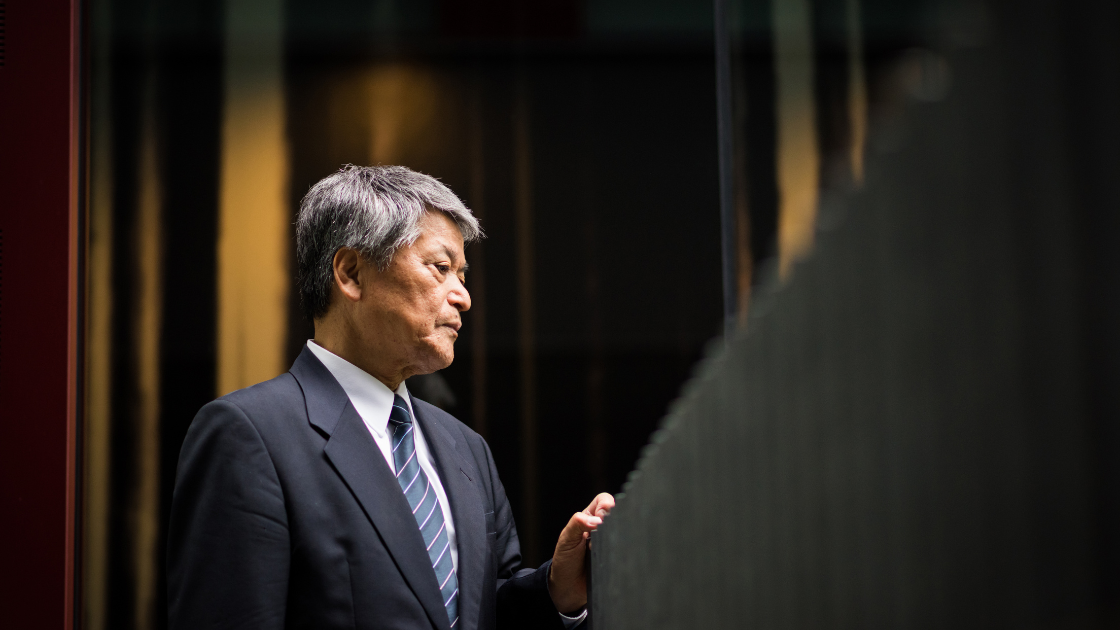
Here’s something that might surprise you: by July 2026, your 63-year-old colleague won’t be heading into retirement anymore. Instead, they’ll be gearing up for another productive year at work, thanks to Singapore’s progressive increase in retirement age. With Singapore’s aging workforce health screening becoming more critical than ever, employers face a fundamental question: how do we ensure our extended workforce stays not just employed, but genuinely healthy and productive as retirement ages shift to 64 years, with re-employment extending to 69 years?
The New Reality: Singapore’s Aging Workforce Health Screening Needs by the Numbers
The statistics tell a compelling story about Singapore’s aging workforce and health screening requirements. According to Singapore’s Ministry of Manpower, the retirement age currently stands at 63 years, with plans to progressively increase to 65 by 2030. Similarly, the re-employment age will rise from 68 to ultimately reach 70 by 2030. This phased approach reflects a broader demographic reality: Singaporeans are living longer, healthier lives.
Key Workforce Statistics:
- The segment of employees aged over 50 is projected to represent 40% of Singapore’s workforce by 2030
- Between 2020 and 2030, this demographic will increase by approximately 55%
- Productivity loss due to sickness absenteeism is estimated to reach S$3.3 billion by 2030
Source: Mercer’s Aging Workforce Report, 2017
But here’s where it gets interesting for employers: this extended working life brings both opportunities and challenges. On one hand, you’re retaining institutional knowledge, experience, and lower turnover rates. On the other hand, older employees face higher risks of chronic health conditions that, if left unmanaged, can significantly impact productivity and healthcare costs.
The Hidden Health Challenges Facing Singapore’s Aging Workforce
Let’s talk about the elephant in the room—or rather, the three elephants—when it comes to Singapore aging workforce health screening.
According to the Ministry of Health’s National Population Health Survey 2024, approximately one in three Singapore residents aged 18-74 years have either hyperlipidaemia (high cholesterol) or hypertension (high blood pressure). The diabetes prevalence stands at 9.1%, while hypertension affects 33.8% of the population.
Why This Matters for Employers: Analysis from Mercer reveals that 10% of claimants represent 60% of inpatient medical claims costs. This highlights the critical value of early intervention through regular health screening for high-risk groups, particularly employees in the 50+ age bracket.
These aren’t just abstract numbers. They represent your team members who might be silently dealing with undiagnosed conditions that could escalate into serious—and expensive—health crises without proper screening and intervention.
Common Health Risks by Age Group
| Age Group | Common Health Risks | Recommended Screening Focus |
|---|---|---|
| 50-59 years | Pre-diabetes, elevated cholesterol, early hypertension | Blood glucose, lipid panel, blood pressure monitoring, basic cardiac markers |
| 60-69 years | Diabetes complications, cardiovascular disease, chronic kidney disease | Comprehensive metabolic panel, kidney function tests, ECG, chest X-ray |
| 70+ years | Multi-morbidity conditions, cognitive decline, increased cancer risk | Advanced health screening with cancer markers, bone density tests, cognitive assessments |
What Effective Singapore Aging Workforce Health Screening Looks Like
Traditional annual health checks aren’t cutting it anymore. As Singapore’s workforce ages, we need to shift from reactive sick care to proactive health management. Here’s what comprehensive workplace health screening actually means in practice.
1. Age-Stratified Screening Protocols for Your Aging Workforce
Not all employees need the same level of screening. Research published in PubMed Central examining Singapore’s workforce health revealed that cleaning and manufacturing industries feature a significantly higher proportion of workers aged 60 years and above compared to the general population (39.4% and 31.8% respectively versus 22.5%).
This demographic reality demands tailored screening approaches. Corporate health screening programmes should be customized based on age brackets, industry-specific risks, and individual health histories to address Singapore aging workforce health screening needs effectively.
2. Beyond Blood Tests: Comprehensive Functional Assessment
While blood work is essential, comprehensive health screening for older workers should include:
- Cardiovascular evaluation: ECG, blood pressure monitoring, and cardiac risk assessment become increasingly important as employees age
- Musculoskeletal health: Given that many older workers experience body pain and reduced mobility, screening should assess work ability and ergonomic needs
- Visual and auditory function: Often overlooked, these sensory functions are critical for workplace safety and productivity
- Metabolic screening: Early detection of diabetes, kidney disease, and liver function issues can prevent costly complications
At HOP Medical Centre Singapore, we’ve developed screening methodologies specifically designed for Singapore’s diverse workforce, with over two decades of experience serving 500+ corporate clients annually.
3. Imaging Services That Catch What Blood Tests Miss
Here’s something many employers don’t realize: some of the most serious conditions affecting older workers won’t show up in standard blood panels.
That’s where comprehensive radiology and imaging services become invaluable. Chest X-rays can detect early respiratory issues or cardiac enlargement. Ultrasounds can identify gallstones, kidney stones, or liver abnormalities before they become emergency situations. Mammograms remain essential for early breast cancer detection among female employees.
Real-World Impact: According to workplace safety research, employees in physically demanding jobs who undergo regular health assessments show significantly better work ability scores compared to those who don’t. This translates to fewer sick days, lower injury rates, and sustained productivity well into their 60s.
The Business Case: Why Investing in Aging Workforce Health Screening Makes Financial Sense
Let’s address the question on every CFO’s mind: is comprehensive health screening worth the investment?
Consider this: the same Mercer analysis that tracked medical claims found that the number of working days lost per employee due to ill health is projected to increase from 5.89 days in 2016 to 6.70 days in 2030. With Singapore’s projected gross national income per capita, the productivity loss represents approximately 1% of GDP.
Now, compare that to the cost of prevention. Express health screening packages can be completed in just 20-30 minutes per participant, with results delivered within a week. The return on investment becomes clear when you consider:
- Early detection saves money: Treating diabetes complications or cardiovascular disease is far more expensive than managing these conditions from their early stages
- Reduced absenteeism: Employees who are aware of their health status and have access to preventive care take fewer unplanned sick days
- Lower insurance premiums: A healthier workforce often translates to more favorable corporate health insurance rates
- Improved retention: Employees value employers who invest in their health and wellbeing, leading to lower turnover costs
Making Singapore Aging Workforce Health Screening Accessible and Convenient
One of the biggest barriers to effective health screening isn’t cost—it’s convenience. Your senior employees are your busiest ones, often holding critical positions with packed schedules.
That’s why modern corporate health screening needs to be designed around convenience:
| Screening Option | Best For | Key Advantages |
|---|---|---|
| On-site Corporate Screening | Companies with 50+ employees | Zero travel time, able to screen 100+ participants within 3 hours, minimal work disruption |
| Medical Centre Visit | Employees needing comprehensive assessments | Access to advanced imaging, specialist consultations, quieter environment for thorough evaluation |
| Express Screening | Time-pressed executives and senior staff | Focused, efficient testing with personalized reports and post-screening consultation included |
At HOP, we’ve perfected the logistics of corporate health screening, whether conducted at your premises or at our specialized facilities in Orchard and Tampines. With an excellent blood-taking track record exceeding 99% success with a single needle prick, we minimize discomfort and maximize efficiency.
Beyond Screening: The Follow-Through That Actually Matters for Your Aging Workforce
Here’s where many corporate health programmes fail: they conduct the screening, deliver the results, and then… nothing. That’s like diagnosing a problem without treating it.
Effective health screening for an extended workforce requires a complete ecosystem:
- Immediate risk stratification: Critical cases should trigger prompt follow-up, not wait for the annual review cycle
- Accessible consultation: Employees need easy access to healthcare professionals who can explain their results and guide next steps
- Integration with existing healthcare: Screening results should connect seamlessly with employees’ primary care and specialist providers
- Wellness programme alignment: Screening findings should inform targeted wellness initiatives, from nutrition counseling to exercise programmes
For instance, executive health screening packages often include post-screening doctor consultations at no additional charge, ensuring that senior leadership receives personalized guidance on managing identified health risks.
Addressing the Mental Health Dimension in Workplace Health Screening
Physical health screening is crucial, but let’s not overlook something equally important: the mental and emotional wellbeing of your extended workforce.
Research from the National Population Health Survey shows that while mental health challenges are most prevalent among younger adults aged 18-29 years, there’s increasing recognition across all age groups about the importance of mental health support.
For older employees navigating the transition to extended working years, stress can manifest in several ways:
- Anxiety about job performance and keeping pace with younger colleagues
- Concerns about health changes and medical conditions
- Financial stress related to retirement planning and extended work needs
- Caregiving responsibilities for elderly parents while continuing to work
Comprehensive health screening programmes should include mental health assessments and provide clear pathways for employees to access support services when needed.
Looking Ahead: Preparing Your Organization for Singapore’s 2030 Workforce
As Singapore moves toward a retirement age of 65 and re-employment age of 70 by 2030, forward-thinking organizations are already adapting their Singapore aging workforce health screening strategies.
Strategic Planning Considerations:
- By 2030, 40% of Singapore’s workforce will be over 50 years old
- Chronic disease prevalence is projected to increase significantly among working adults
- Early intervention through health screening can moderate the increase in healthcare spending by 2050
This isn’t just about compliance with age discrimination laws or fulfilling corporate social responsibility obligations. It’s about building a genuinely sustainable workforce where employees can thrive well into their 60s and beyond.
Taking Action: Where to Start with Singapore Aging Workforce Health Screening
If you’re an HR professional or business leader reading this and wondering where to begin with aging workforce health screening, here’s a practical roadmap:
- Audit your current health screening programme: Is it appropriate for your workforce demographics? Does it include age-specific assessments?
- Analyze your workforce age distribution: What percentage of your employees are 50+? How will this change in the next 5 years?
- Review your health claims data: Where are the highest costs coming from? Are chronic conditions being caught early or only after expensive complications arise?
- Consult with occupational health experts: Partner with providers who understand Singapore’s unique demographic challenges and regulatory requirements
- Design age-appropriate screening protocols: Ensure different age groups receive screening that matches their risk profiles
The goal isn’t to over-medicalize the workplace or create anxiety among employees. Rather, it’s about providing accessible, comprehensive health information that empowers people to take control of their wellbeing during their extended working years.
Conclusion: Redefining What “Retirement Age” Really Means
Singapore’s decision to extend retirement and re-employment ages reflects a positive reality: we’re living longer, healthier lives than ever before. But “healthier” isn’t automatic—it requires proactive management, early detection, and comprehensive support systems through effective Singapore aging workforce health screening.
For organizations with the foresight to invest in robust health screening programmes now, the benefits will compound over the coming decade. You’ll build a reputation as an employer who genuinely cares about employee wellbeing. You’ll reduce healthcare costs and boost productivity. Most importantly, you’ll help your team members enjoy those extended working years with vitality and purpose.
As Singapore transitions from thinking about “retirement age” to embracing the concept of “active age,” comprehensive health screening isn’t just a nice-to-have benefit—it’s an essential foundation for workforce sustainability.
Ready to Transform Your Corporate Health Screening Programme?
With over 20 years of experience serving Singapore’s corporate sector and a proven track record of screening 45,000+ patients annually, HOP Medical Centre specializes in creating customized health screening solutions for organizations navigating Singapore’s extended workforce reality.
From convenient on-site corporate screening to comprehensive executive health packages and advanced imaging services, we deliver the complete health screening ecosystem your extended workforce needs.
About HOP Medical Centre Singapore
HOP Medical Centre is Singapore’s premier one-stop health screening facility, equipped with cutting-edge clinical technology for comprehensive employee wellness. With locations at Palais Renaissance Orchard and CPF Building Tampines, HOP has served over 500 corporate clients annually for more than two decades, screening 800,000 individuals to date. Our expert team delivers tailored corporate health packages, from basic check-ups to specialized diagnostics, ensuring your workforce’s optimal health and productivity.
Last updated: November 2025 | Information verified against Ministry of Health Singapore, Ministry of Manpower, and peer-reviewed medical research published in 2024-2025.