
Blood Pressure Do’s and Don’ts: Your Honest Guide to Keeping Your Heart Healthy
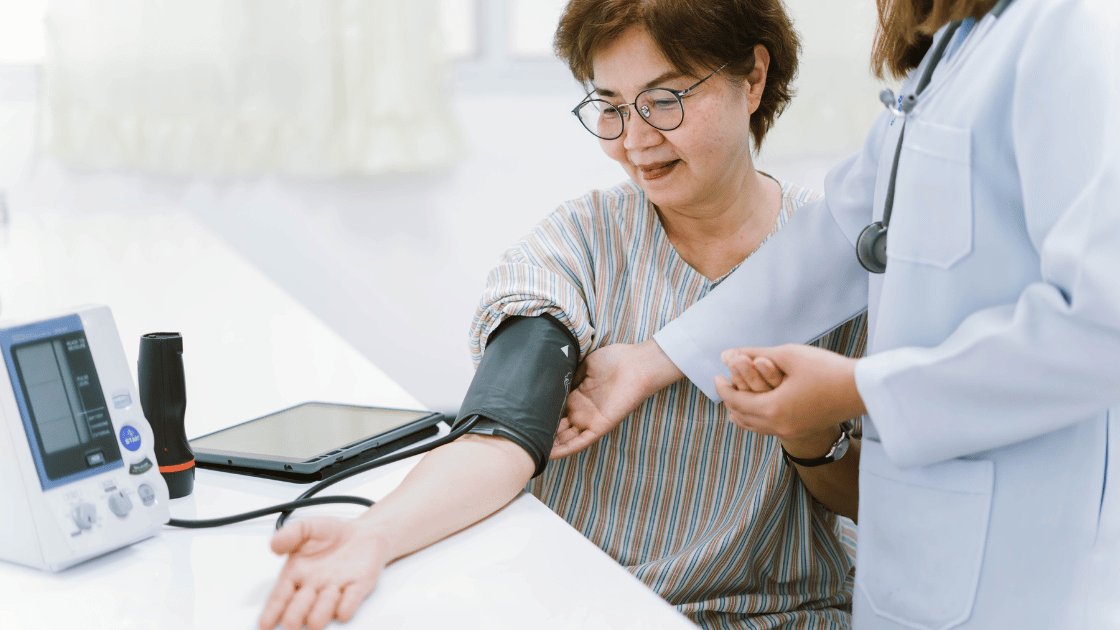
Why Your Blood Pressure Actually Matters (Yes, Even If You’re Young)
Looking for blood pressure do’s and don’ts Singapore? You’re in the right place. Blood pressure management Singapore has become a critical health priority—and it’s not just an “old people problem” anymore. With hypertension rates rising from 35.5% in 2020 to 37.0% in 2022 according to the National Population Health Survey, over one in three Singaporeans aged 18 to 74 now has high blood pressure. Plot twist? 9.4% of 18-29 year olds already have hypertension. At HOP Medical Centre, we’ve helped 45,000+ patients annually understand and manage their blood pressure through comprehensive health screening programs.
If you’re experiencing afternoon fatigue, dizziness, or downing multiple coffees just to survive the workday, your blood pressure might be trying to send you a message. This guide cuts through the noise with real, actionable blood pressure do’s and don’ts that actually work.
Understanding Blood Pressure: What Do Those Numbers Mean?
Blood pressure isn’t just two numbers on a screen—it’s your heart’s way of telling you how hard it’s working.
Blood Pressure Ranges in Singapore
| Category | Systolic / Diastolic | What It Means | Action Required |
|---|---|---|---|
| Optimal | Less than 120/80 mmHg | Your heart is working well. No strain. | Continue healthy habits |
| Normal | 120–129 / 80–84 mmHg | Still safe | Check periodically |
| High Normal | 130–139 / 85–89 mmHg | Warning zone | Time for lifestyle changes |
| Stage 1 Hypertension | 140–159 / 90–99 mmHg | Medical attention needed | Doctor consultation + lifestyle changes |
| Stage 2 Hypertension | 160/100 mmHg or higher | Serious concern | Seek medical help immediately |
Source: National Population Health Survey 2022, Singapore clinical guidelines
The DO’S: Essential Blood Pressure Do’s and Don’ts for Management
DO #1: Monitor Your Blood Pressure Regularly (Key Do’s and Don’ts)
Why It Matters: According to the Singapore Heart Foundation, high blood pressure is known as a “silent killer” because it often goes undetected until serious complications like heart attack or stroke occur. Following proper blood pressure do’s and don’ts is essential.
How to Do It Right:
Best Practices for Accurate Readings:
- ✅ Sit and rest for 3 minutes before taking your reading
- ✅ Avoid caffeine, smoking, or exercise 30 minutes prior
- ✅ Sit comfortably with back supported
- ✅ Keep feet flat on the floor (don’t cross legs)
- ✅ Rest arm on table at heart level
- ✅ Measure at the same time each day
Recommended Frequency:
- Normal BP (< 130/85 mmHg): Once every 2 years
- Borderline (130-139/85-89 mmHg): At least once a year
- High BP (≥ 140/90 mmHg): More frequently as advised by doctor
Professional Screening at HOP: Book comprehensive blood pressure screening at HOP Medical Centre for accurate assessment and expert consultation.
DO #2: Exercise Regularly (150 Minutes Weekly)
Why It Matters: Regular exercise helps keep elevated blood pressure from turning into hypertension. For those who have hypertension, physical activity can bring blood pressure down to safer levels.
Recommended Activities:
| Exercise Type | Duration | Frequency | Blood Pressure Benefit |
|---|---|---|---|
| Walking | 30 minutes | 5 days/week | Lowers BP by 4-9 mmHg |
| Jogging | 20-30 minutes | 3-5 days/week | Improves cardiovascular health |
| Cycling | 30 minutes | 4-5 days/week | Reduces arterial stiffness |
| Swimming | 30 minutes | 3-4 days/week | Low-impact cardio benefit |
| Dancing | 30 minutes | 3-4 days/week | Fun, effective cardio |
Tips for Singapore’s Climate:
- Exercise in air-conditioned gyms or early morning/evening
- Stay hydrated throughout
- Break into 10-minute sessions if needed (e.g., before each meal)
DO #3: Maintain a Healthy Weight – Essential Blood Pressure Do’s
Why It Matters: Being overweight adds to your risk of high blood pressure. For Asian populations in Singapore, maintaining a BMI between 18.5 and 22.9 kg/m² is ideal. This is one of the most important blood pressure do’s and don’ts to follow.
Body Mass Index (BMI) Classification for Asians:
| BMI Range | Classification | Blood Pressure Risk |
|---|---|---|
| < 18.5 | Underweight | Monitor nutritional status |
| 18.5 – 22.9 | Healthy | Optimal range |
| 23.0 – 27.4 | Overweight | Increased risk |
| ≥ 27.5 | Obese | High risk |
BMI Calculation: Weight (kg) ÷ [Height (m) × Height (m)]
Weight Loss Impact: Losing even 4.5 kg (10 pounds) can help reduce blood pressure if you’re overweight.
DO #4: Eat a Heart-Healthy Diet (DASH Approach)
Why It Matters: Diet plays a crucial role in blood pressure management. The DASH (Dietary Approaches to Stop Hypertension) diet can lower blood pressure by 8-14 mmHg.
Foods to INCLUDE:
| Food Group | Recommended Servings | Blood Pressure Benefits |
|---|---|---|
| Fruits | 4-5 servings/day | Potassium-rich, natural fiber |
| Vegetables | 4-5 servings/day | Magnesium, potassium, fiber |
| Whole Grains | 6-8 servings/day | Better than white bread/rice |
| Lean Protein | 2-3 servings/day | Fish, chicken, beans |
| Low-fat Dairy | 2-3 servings/day | Calcium and protein |
| Nuts/Seeds | 4-5 servings/week | Healthy fats, magnesium |
Singapore-Specific Tips:
- Choose brown rice over white rice
- Opt for steamed or grilled instead of fried
- Request “少盐” (less salt) when eating out
- Choose soup-based over curry-based dishes
- Load up on vegetables at hawker centers
DO #5: Reduce Sodium Intake – Critical Blood Pressure Do’s and Don’ts
Why It Matters: The average Singaporean consumes approximately 3,600mg of sodium daily—significantly above the recommended limit. Understanding blood pressure do’s and don’ts regarding sodium can lower blood pressure by 5-6 mmHg.
Recommended Daily Sodium:
- Ideal: 1,500mg per day or less
- Maximum: 2,300mg per day (about 1 teaspoon of salt)
How to Reduce Sodium:
At Home: ✅ Cook with less salt, sauces, stock cubes ✅ Use natural herbs and spices (ginger, garlic, chili, spring onions) ✅ Avoid salted/preserved foods (ikan bilis, salted fish, luncheon meat, sausages) ✅ Read food labels on packaged foods
When Eating Out: ✅ Request food prepared with less salt and sauces ✅ Ask for dressings/sauces on the side ✅ Consume less gravy, sauces, and soup ✅ Choose fresh over processed options
DO #6: Manage Stress Effectively
Why It Matters: Work stress in Singapore, characterized by long hours and tight deadlines, can keep your body in “fight-or-flight” mode, raising blood pressure over time.
Stress Management Techniques:
| Technique | Duration | When to Use | Effectiveness |
|---|---|---|---|
| Deep Breathing | 2-5 minutes | During work stress | Immediate calming effect |
| Meditation | 10-20 minutes | Morning or evening | Reduces baseline stress |
| Massage | 30-60 minutes | Weekly | Physical tension release |
| Walking Breaks | 5-10 minutes | Every 2 hours at work | Reduces sitting time |
| Hobbies | 30+ minutes | Evenings/weekends | Long-term stress relief |
Office Blood Pressure Control:
- Take 2-minute deep breathing exercises
- Try walking meetings
- Take short pauses between stressful tasks
- Avoid work emails after hours
- Move every 2 hours
DO #7: Get Adequate Sleep (7-9 Hours Nightly)
Why It Matters: Poor sleep quality and insufficient sleep duration are linked to elevated blood pressure. When you sleep, blood pressure naturally drops by 10-15%.
Sleep Optimization: ✅ Maintain consistent sleep schedule ✅ Create dark, cool sleeping environment ✅ Avoid screens 1 hour before bed ✅ Limit caffeine after 2 PM ✅ Exercise regularly (but not close to bedtime)
Sleep and Blood Pressure Connection: Track both sleep quality and blood pressure readings to identify patterns affecting your cardiovascular health.
DO #8: Take Prescribed Medications Consistently
Why It Matters: If your doctor has prescribed blood pressure medication, taking it consistently is crucial. Treatment of hypertension for most people is lifelong.
Medication Compliance: ✅ Take medication exactly as prescribed ✅ Never stop without consulting your doctor ✅ Use pill organizers or reminder apps ✅ Link to daily routine (breakfast, bedtime) ✅ Discuss side effects with doctor rather than stopping ✅ Refill prescriptions before running out
Combined with lifestyle changes, medication can decrease blood pressure readings by 10-15 mmHg.
DO #9: Schedule Regular Health Screenings
Why It Matters: Regular monitoring helps detect changes early and assess treatment effectiveness.
HOP Medical Centre Screening Services:
At HOP Medical Centre, our comprehensive health screenings include:
- Complete blood pressure assessment
- Cardiovascular risk evaluation
- Blood tests (cholesterol, glucose, kidney function)
- ECG for heart rhythm
- Expert doctor consultation
- Personalized health recommendations
Convenient Locations:
- Orchard: 390 Orchard Rd, #11-03/04 Palais Renaissance
- Tampines: 1 Tampines Central 5, #07-04/05 CPF Building
Book your express health screening or executive health screening today.
The DON’TS: Critical Blood Pressure Do’s and Don’ts – Mistakes to Avoid
DON’T #1: Ignore Your Blood Pressure Readings (Top Don’ts)
Why It’s Dangerous: High blood pressure often has no symptoms. Untreated hypertension can lead to heart failure, kidney failure, stroke, and heart attacks. This is the most important of all blood pressure do’s and don’ts.
What NOT to Do: ❌ Skip regular check-ups because you “feel fine” ❌ Dismiss borderline readings (130-139/85-89 mmHg) ❌ Wait for symptoms before taking action ❌ Assume you’re too young to worry (9.4% of 18-29 year olds have hypertension in Singapore)
What to Do Instead: ✅ Check blood pressure from age 18 onwards (Singapore Heart Foundation recommendation) ✅ Monitor more frequently if you’re over 40 years old ✅ Act on borderline readings with lifestyle changes ✅ Seek medical consultation for persistent high readings
DON’T #2: Consume Excessive Salt
Why It’s Dangerous: Nine in ten Singaporeans consume close to double the recommended daily sodium intake. Excess sodium causes water retention, increasing blood volume and pressure on vessel walls.
Common High-Sodium Culprits in Singapore:
| Food/Source | Sodium Content | Alternative |
|---|---|---|
| Soy Sauce | Very high | Use sparingly, try reduced-sodium |
| Instant Noodles | 1,500-2,000mg per pack | Wholegrain pasta with fresh herbs |
| Canned Soups | 600-1,000mg per serving | Homemade soups |
| Processed Meats | Very high | Fresh lean meats |
| Hawker Food | Often exceeds daily limit | Request less salt/sauce |
| Pickled Vegetables | Very high | Fresh vegetables |
What NOT to Do: ❌ Add salt before tasting food ❌ Use excessive sauces (soy sauce, chili sauce, ketchup) ❌ Eat processed/canned foods regularly ❌ Ignore sodium content on food labels
DON’T #3: Drink Excessive Alcohol
Why It’s Dangerous: Excessive alcohol intake has been linked to hypertension and many other health issues. Alcohol can raise blood pressure immediately and, over time, cause long-term elevation.
Safe Alcohol Limits:
- Women: No more than 1 standard drink per day
- Men: No more than 2 standard drinks per day
What is 1 Standard Drink?
- ⅔ can of beer (200ml)
- 1 small glass of wine (100ml)
- 1 shot of spirits (30ml)
What NOT to Do: ❌ Binge drink on weekends ❌ Use alcohol to “destress” regularly ❌ Exceed recommended daily limits ❌ Mix alcohol with energy drinks
DON’T #4: Smoke or Use Tobacco Products
Why It’s Dangerous: Nicotine increases fatty substance buildup in arteries, causing walls to harden and creating narrower pathways for blood flow. Every cigarette temporarily raises heart rate and blood pressure.
Smoking Impact:
- Immediately raises blood pressure by 5-10 mmHg
- Increases heart rate
- Damages blood vessel walls
- Accelerates atherosclerosis
- Increases risk of blood clots
What NOT to Do: ❌ Continue smoking despite high blood pressure ❌ Use vaping as an alternative (still contains nicotine) ❌ Expose yourself to secondhand smoke ❌ Delay quitting
What to Do Instead: ✅ Quit immediately—benefits start within 20 minutes ✅ Join smoking cessation programs ✅ Seek medical support for nicotine replacement therapy ✅ Avoid triggers and smoking environments
DON’T #5: Sit for Extended Periods
Why It’s Dangerous: Long hours at your desk reduce blood flow, making your heart work harder. Prolonged sitting is linked to increased cardiovascular risk.
Sitting Time in Singapore: According to National Population Survey 2020, commuting contributed to 49.6% of lower total physical activity, with only 29.2% of older adults (60-74 years) exercising regularly.
What NOT to Do: ❌ Sit for more than 2 hours without moving ❌ Skip movement breaks during work ❌ Maintain poor posture at desk ❌ Use only car/public transport when walking is possible
What to Do Instead: ✅ Move every 2 hours ✅ Take stairs instead of elevators ✅ Have walking meetings ✅ Stand while taking phone calls ✅ Park further away to increase walking
DON’T #6: Over-Consume Caffeine
Why It’s Dangerous: Coffee and energy drinks can spike blood pressure by 10-15 mmHg, especially if consumed during peak pressure hours.
Caffeine and Blood Pressure Pattern:
| Time | Natural BP Pattern | Risk of Caffeine |
|---|---|---|
| 6-10 AM | BP naturally rises | Adding coffee may cause spike |
| 10 AM-2 PM | Usually stable | Moderate risk |
| 2-6 PM | Stress peaks | High risk—avoid caffeine |
| 6-10 PM | BP falls naturally | May interfere with sleep |
What NOT to Do: ❌ Drink multiple coffees throughout the day ❌ Consume caffeine during the 2-6 PM “danger zone” ❌ Use energy drinks for afternoon energy boost ❌ Drink coffee on empty stomach
What to Do Instead: ✅ Limit to 1-2 cups of coffee daily ✅ Time caffeine consumption wisely (morning only) ✅ Switch to decaf in afternoon ✅ Choose water, herbal tea, or fresh juice
DON’T #7: Skip Meals or Eat Large Meals
Why It’s Dangerous: Skipping meals can cause blood sugar fluctuations that affect blood pressure. Very large meals can cause temporary blood pressure spikes.
What NOT to Do: ❌ Skip breakfast ❌ Eat only 1-2 large meals daily ❌ Consume heavy meals before bed ❌ Irregular eating patterns ❌ Fast without medical supervision
What to Do Instead: ✅ Eat regular, balanced meals ✅ Include protein and fiber in every meal ✅ Have smaller, more frequent meals if needed ✅ Eat dinner at least 2-3 hours before bed ✅ Maintain consistent meal timing
DON’T #8: Ignore Stress and Mental Health
Why It’s Dangerous: Chronic stress keeps your body in constant “fight-or-flight” mode, leading to sustained blood pressure elevation. There’s a documented connection between blood pressure and mental health.
Hidden Workplace Triggers:
- Constant emails and pressure
- Tight deadlines
- Long working hours
- Poor work-life balance
- Lack of breaks
What NOT to Do: ❌ Work through lunch breaks ❌ Check emails constantly after hours ❌ Ignore signs of burnout ❌ Bottle up stress without outlet ❌ Skip relaxation activities
What to Do Instead: ✅ Set boundaries with work hours ✅ Practice daily stress management ✅ Seek professional help if needed ✅ Maintain social connections ✅ Engage in hobbies and relaxation
DON’T #9: Self-Medicate or Stop Medication Without Consulting Doctor
Why It’s Dangerous: Blood pressure medication requires careful management. Stopping suddenly can cause dangerous blood pressure spikes.
What NOT to Do: ❌ Stop medication because you “feel fine” ❌ Adjust doses without doctor approval ❌ Take someone else’s blood pressure medication ❌ Use herbal remedies without consulting doctor ❌ Skip doses because of mild side effects
What to Do Instead: ✅ Discuss any side effects with your doctor ✅ Never stop medication abruptly ✅ Inform doctor about all supplements ✅ Keep regular follow-up appointments ✅ Report any concerns immediately
Blood Pressure Monitoring Do’s and Don’ts: The Right Way
Home Blood Pressure Monitoring
Understanding proper blood pressure do’s and don’ts for home monitoring ensures accurate readings.
Best Time to Measure: The optimum time to accurately measure blood pressure is in the mornings, 10-15 minutes after waking up, before coffee or exercise.
The 4-Hour Blood Pressure Pattern:
| Time Period | BP Pattern | Best Practices |
|---|---|---|
| 6-10 AM | Naturally rises | Measure before coffee, light exercise helps |
| 10 AM-2 PM | Usually stable | Light activity beneficial |
| 2-6 PM | Danger zone | Stress peaks, try stress-reducing breaks |
| 6-10 PM | Falls naturally | Relax to support better sleep |
Multi-Point Check Plan:
- Morning reading – Before coffee or exercise (baseline)
- After stress – 10 minutes after stressful event (recovery rate)
- After exercise – See workout effects
- Track with sleep – Understand sleep-BP connection
Professional Screening at HOP Medical Centre
Why Professional Screening Matters: Self-checks are helpful, but comprehensive professional screening offers deeper insights and catches hidden risks.
HOP’s Screening Services Include:
- Multiple blood pressure measurements
- Cardiovascular risk assessment
- Advanced blood tests (lipids, glucose, kidney function)
- ECG and cardiac testing
- C-Reactive Protein (inflammation marker)
- Expert doctor consultation
- Personalized health recommendations
Two Convenient Locations: 📍 Orchard: 390 Orchard Rd, #11-03/04 Palais Renaissance, Singapore 238871 📍 Tampines: 1 Tampines Central 5, #07-04/05 CPF Building, Singapore 529508
Book your screening: HOP Medical Centre
Take Action Today: Your Blood Pressure Do’s and Don’ts Action Plan
Following these blood pressure do’s and don’ts Singapore guidelines can significantly improve your cardiovascular health.
Quick Action Checklist
Immediate Actions (This Week):
- [ ] Check your blood pressure (at pharmacy or book HOP screening)
- [ ] Calculate your BMI
- [ ] Review your current salt intake
- [ ] Schedule regular exercise time
- [ ] Set sleep schedule (7-9 hours)
Short-Term Actions (This Month):
- [ ] Book comprehensive health screening at HOP
- [ ] Start stress management practice
- [ ] Reduce sodium in diet
- [ ] Increase physical activity to 150 min/week
- [ ] Quit smoking if applicable
Long-Term Actions (Ongoing):
- [ ] Monitor blood pressure regularly
- [ ] Maintain healthy weight
- [ ] Follow medication regimen if prescribed
- [ ] Annual health screenings
- [ ] Sustainable lifestyle changes
Why Choose HOP Medical Centre?
20+ Years of Excellence:
- 45,000+ patients screened annually
- Comprehensive cardiovascular assessments
- State-of-the-art diagnostic equipment
- Expert medical team
- Fast results with doctor consultation
- Convenient Orchard and Tampines locations
Our Services:
- Express Health Screening
- Executive Health Screening
- Corporate Health Screening
- Cardiovascular Assessment
- Full Body Health Check
Frequently Asked Questions
Q: How often should I check my blood pressure? A: If normal (< 130/85), check every 2 years. If borderline (130-139/85-89), check annually. If high (≥ 140/90), check more frequently as your doctor advises.
Q: Can I lower blood pressure without medication? A: For mildly elevated blood pressure, lifestyle changes alone may normalize it. However, always consult your doctor. Medication combined with lifestyle changes is often most effective.
Q: What’s the best time to take blood pressure? A: Morning, 10-15 minutes after waking, before coffee or exercise. Always measure at the same time each day for consistency.
Q: Can stress really cause high blood pressure? A: Yes. Chronic stress keeps your body in “fight-or-flight” mode, leading to sustained blood pressure elevation. Stress management is crucial.
Q: Is it safe to exercise with high blood pressure? A: Generally yes, but consult your doctor first, especially if you have Stage 2 hypertension. Start gradually and build up.
Q: How quickly can lifestyle changes lower blood pressure? A: You may see improvements within weeks, but significant changes typically take 1-3 months of consistent lifestyle modifications.
Q: Do I need medication if my BP is 135/85? A: This is “high normal” range. Your doctor will assess your overall cardiovascular risk and may recommend lifestyle changes first. Medication depends on your total risk profile.
Get Professional Help Today
Don’t wait for symptoms—high blood pressure is called the “silent killer” for a reason. With 37% of Singaporeans affected, taking control of your blood pressure is essential.
Contact HOP Medical Centre
📍 Orchard Location 390 Orchard Rd, #11-03/04 Palais Renaissance Singapore 238871
📍 Tampines Location 1 Tampines Central 5, #07-04/05 CPF Building Singapore 529508
🌐 Website: hop.sg 📞 Book Now: Schedule your comprehensive blood pressure screening
Related Health Resources
- Blood Pressure Management
- Heart Attack Prevention
- Blood Pressure & Mental Health
- Cardiovascular Screening
- Carotid Ultrasound
HOP Medical Centre has served 45,000+ patients annually with comprehensive health screening services. With 20 years of expertise in blood pressure management and cardiovascular health, we’re committed to helping Singaporeans maintain optimal blood pressure and prevent serious complications.
External Resources: